
The Kilimanjaro Resources center is designed for the point when inspiration turns into logistics. Instead of sending you through dozens of unrelated articles, this page organizes the core planning tools by decision: understand the climb, choose a route, prepare your body, manage altitude risk, build the gear system, understand summit night and plan the Tanzania extension.
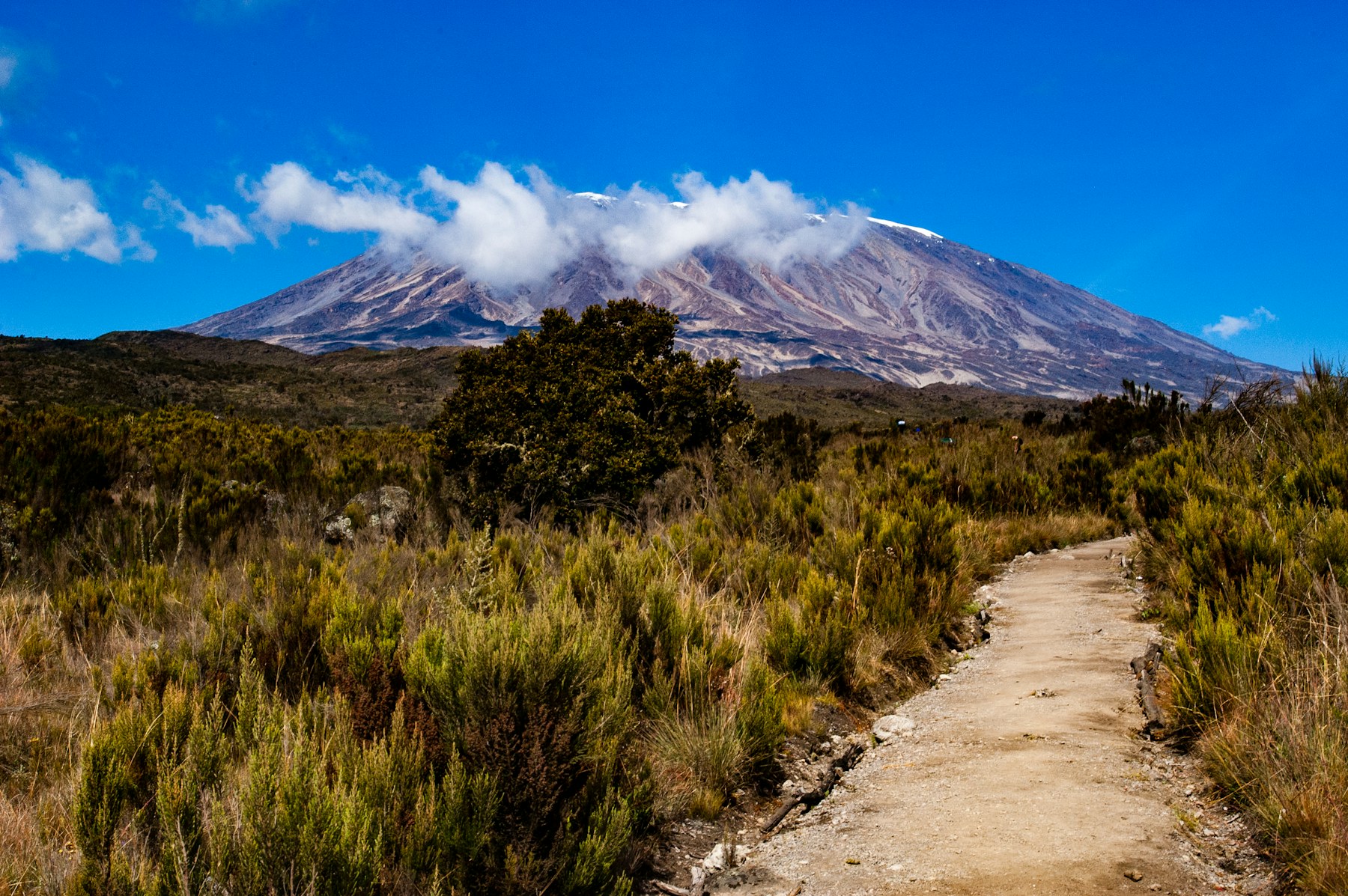
Start With the Complete Guide
If you are early in the process, begin with the Complete Guide to Climbing Mount Kilimanjaro. It explains the overall expedition structure and introduces the major decisions without assuming that you already understand route names or mountain terminology. Use it as the index for the rest of the site.
Route Planning
The Kilimanjaro Routes Compared guide puts the principal routes side by side. Focus on duration, trail character, sleeping style, crowd tolerance and acclimatization rather than selecting a route solely because it is described as the “most scenic” or “highest success.” Any success-rate claim should be understood in context: operator practices, itinerary length, client selection and reporting methods can all influence the number.
Training
The Kilimanjaro Training Guide provides a 16-week framework that emphasizes hiking-specific endurance, strength, vertical gain, descents, pack familiarity and recovery. Use it as a framework rather than a medical or individualized coaching prescription. Anyone with significant health concerns or uncertainty about strenuous high-altitude activity should seek appropriate professional guidance before beginning a demanding program.
Altitude and Acclimatization
Read Altitude & Acclimatization before booking a compressed itinerary. This is one of the most important resources on the site. It separates fitness from acclimatization, explains common acute mountain sickness symptoms, identifies more serious warning signs and emphasizes the importance of guide communication and descent when symptoms become dangerous.
Packing and Equipment
The Complete Kilimanjaro Packing List is structured around how equipment is actually used: what you wear, what stays in the daypack, what travels in the main duffel and what becomes critical during summit night. Use your operator’s required-equipment list as the controlling trip-specific checklist because rental availability, baggage limits and camp systems vary.
Summit Night
Kilimanjaro Summit Night explains the final ascent as a sequence rather than a single dramatic moment. It covers preparation in camp, the overnight start, pacing, cold management, the crater rim, Uhuru Peak and the descent. Read it before finalizing your glove, headlamp, insulation and food strategy.
Moshi and Tanzania Logistics
The Moshi guide is written specifically for climbers using the town before and after Kilimanjaro. It covers arrival buffers, gear checks, recovery and the transition to the next part of the trip. Always verify current entry and visa requirements through official Tanzania government sources because travel rules can change.
Safari Planning
The Safari After Kilimanjaro guide compares short and longer northern Tanzania extensions using Tarangire, Ngorongoro and Serengeti. The best plan protects the mountain schedule first, allows enough recovery to enjoy the safari and matches the safari geography to the season rather than simply collecting park names.
Maps
Route and destination pages use interactive OpenStreetMap embeds when geography helps explain the trip. These maps are planning aids, not backcountry navigation tools. On the mountain, follow your licensed guide team and operator instructions rather than a consumer web map.
Trip Offers
When Adventures With Travel offers a Kilimanjaro trip, the Trips section will contain the controlling departure details: route, dates, duration, price, deposit, inclusions, exclusions, availability and inquiry or booking instructions. Editorial pages may link to current departures, but the information guides remain useful whether or not you travel with us.
How to Use the Site
- Read the Complete Guide.
- Compare routes and choose an itinerary length.
- Build your training schedule.
- Understand altitude before committing to a fast ascent.
- Finalize footwear and layering, then complete the packing list.
- Study summit night and camp routines.
- Add Moshi, safari and other Tanzania plans only after the mountain schedule is protected.
This order keeps the big decisions ahead of the small ones and turns an overwhelming planning project into a sequence of manageable choices.