
Climbing Kilimanjaro and then going on safari is one of the best two-act trips in adventure travel. The mountain demands effort, cold tolerance, early mornings, camping, and thousands of uphill steps. A northern Tanzania safari gives you the opposite rhythm: sit down, eat well, watch wildlife, and let an extraordinary landscape come to you.
Why Safari After the Climb?
Northern Tanzania’s logistics make the combination unusually natural. Kilimanjaro sits near Moshi and Arusha, while Tarangire, Ngorongoro, Lake Manyara, and Serengeti form the famous northern safari circuit to the west. You do not need a separate international flight to turn the climb into a major wildlife trip.
Doing the safari afterward has several advantages:
- you do not have to worry about dusty safari luggage before the mountain;
- you can treat the safari as a reward rather than count down to the climb;
- the long hours sitting in a vehicle are physically easier than another active adventure;
- lodges, showers, beds, and good meals feel especially luxurious after Kilimanjaro;
- you can process the climb while still staying immersed in Tanzania.
Should You Take a Recovery Day?
We like at least one hotel night after leaving Kilimanjaro before beginning a long overland safari, especially after an eight- or nine-day route. Some itineraries transfer directly toward safari areas the next morning, which can work well. What we would avoid is finishing the mountain, driving for hours, and stacking an exhausting game-drive schedule without any margin.
Your legs may be sore, sleep debt is real, and gear needs to be reorganized. A shower, laundry handoff, substantial dinner, and real bed are good investments.
How Many Safari Days?
| Time available | Best use | Tradeoff |
|---|---|---|
| 2 days / 1 night | Tarangire + Ngorongoro or a focused two-day combination | Efficient but transfer-heavy |
| 3 days / 2 nights | Tarangire + Ngorongoro | Excellent short extension |
| 4 days / 3 nights | Tarangire + Ngorongoro + edge of Serengeti, or slower Tarangire/Ngorongoro | Serengeti begins to make sense but still moves quickly |
| 5–6 days | Tarangire + Ngorongoro + Serengeti | Our sweet spot for a full northern-circuit feel |
| 7+ days | More Serengeti depth, migration-focused routing, or additional parks | Higher cost but much less rushed |
Tarangire: The Best Short First Stop
Tarangire National Park works extremely well after Kilimanjaro. TANAPA describes it as a major elephant landscape with iconic baobabs and a wildlife concentration that becomes especially strong around the Tarangire River in the dry season.
From Arusha, TANAPA estimates roughly 2.5 to 3 hours by road. From Moshi, plan for additional time. That makes Tarangire reachable without the much longer commitment required to get deep into Serengeti.
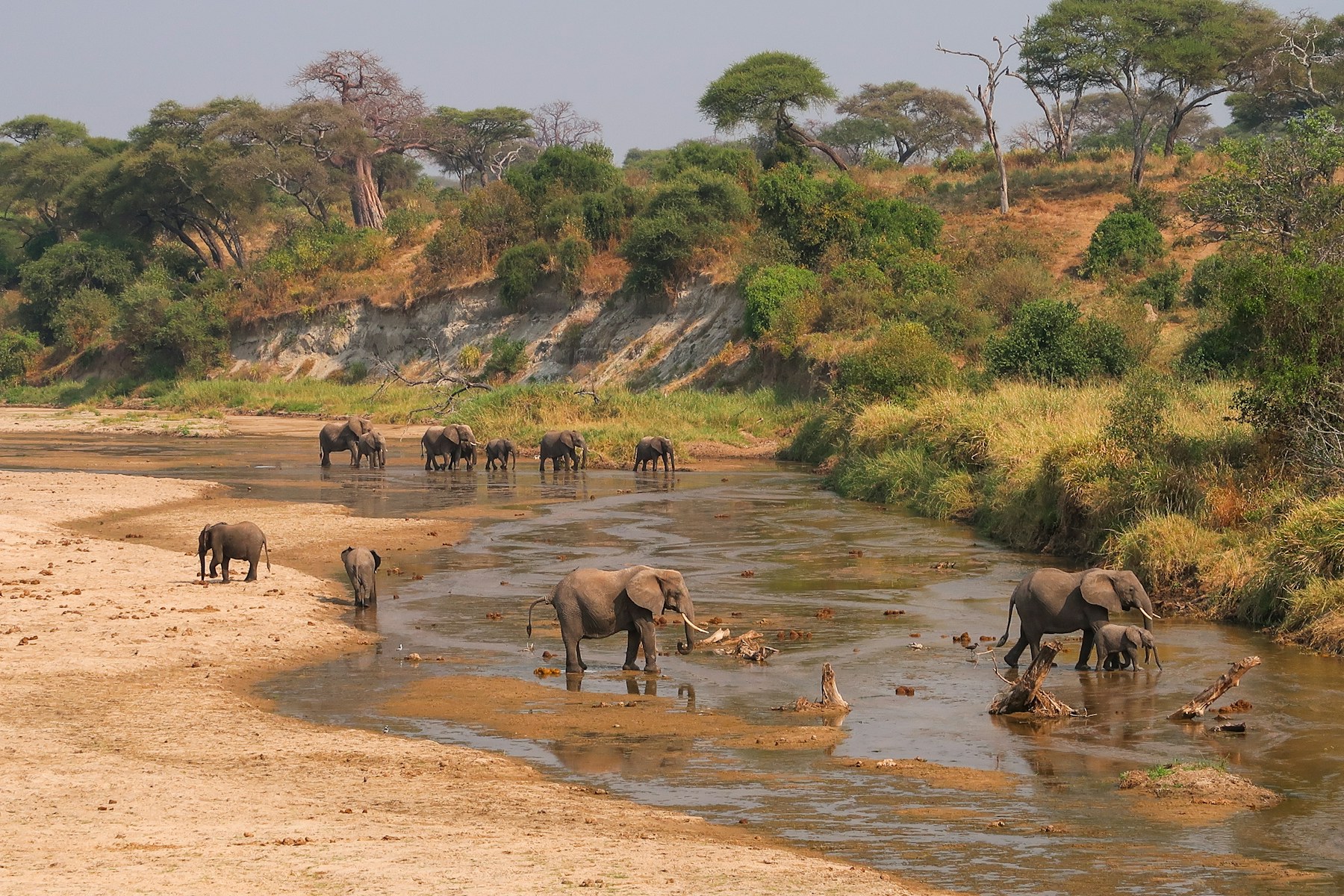
Why it works after Kili: you can leave the mountain region in the morning, arrive for an afternoon game drive, and be surrounded by classic northern Tanzania scenery the same day.
Ngorongoro: Maximum Wildlife in a Compact Area
Ngorongoro Conservation Area is centered on one of the world’s great volcanic calderas. The crater floor concentrates wildlife into a relatively compact landscape, while the rim creates huge views and a dramatic change in elevation.
The Ngorongoro Conservation Area Authority currently lists its gates as opening at 06:00, with crater access hours more restricted. Your safari operator manages permits and timing.
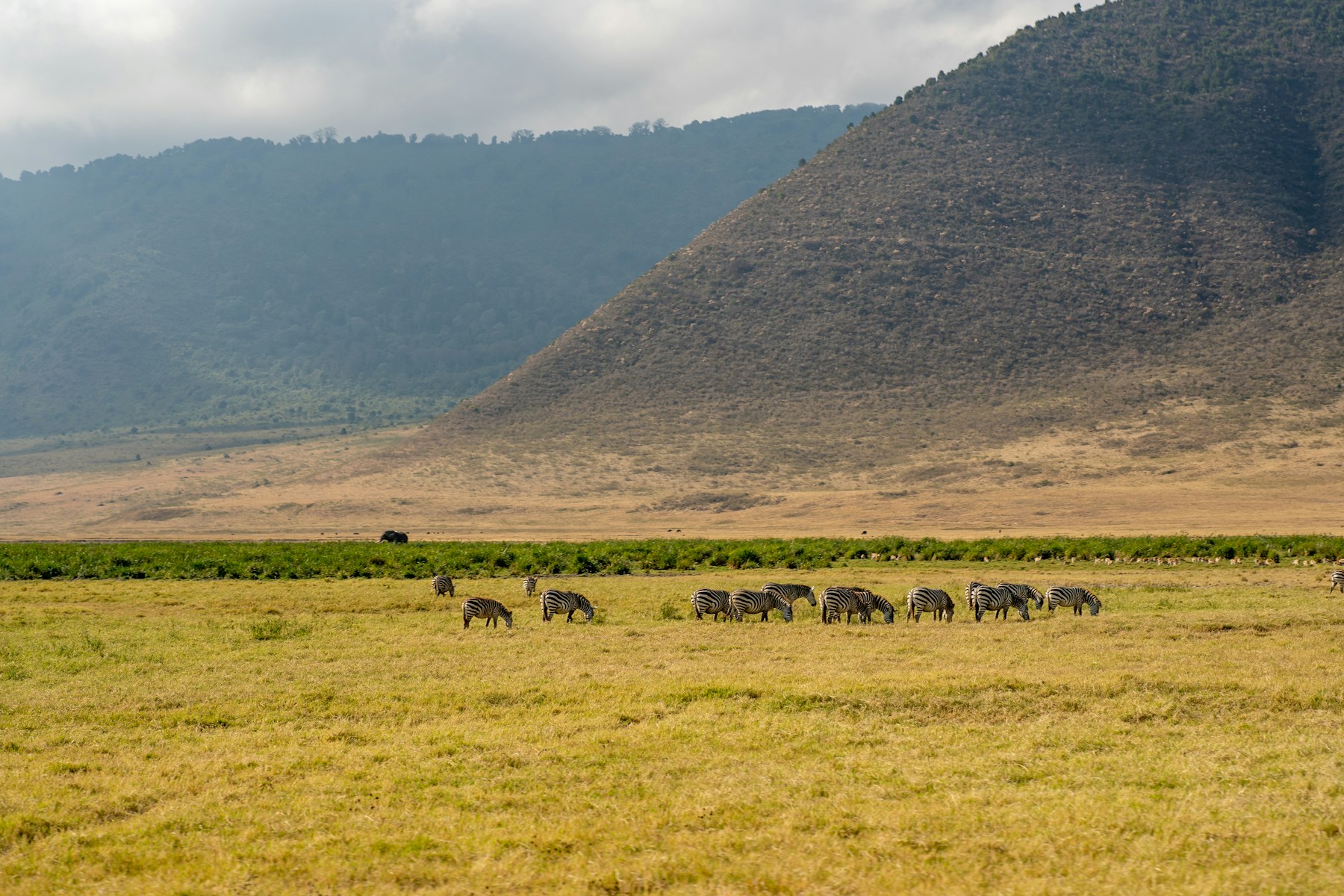
For a short post-Kilimanjaro extension, Ngorongoro pairs naturally with Tarangire. You get two very different ecosystems without driving all the way to central Serengeti.
Serengeti: Worth More Time
Serengeti is the place we would not rush. It is vast. Wildlife viewing changes with season, rainfall, and migration patterns. A one-night drive-through can technically put “Serengeti” on the itinerary while spending much of the experience in transit.
If Serengeti is a major goal, give it at least two nights when possible and preferably more. Your specific camp location should reflect the time of year and what you want to see rather than a generic promise to “see the migration.”
What About the Great Migration?
The wildebeest migration is a continuous ecosystem movement, not a single event at a fixed date. Herd locations vary with rainfall and grazing. River crossings are dramatic but unpredictable. No ethical operator can promise you a crossing on a specific afternoon.
If migration is important, choose a safari company that places camps and driving areas according to seasonal patterns and is honest about uncertainty.
Two-Day Safari Option
A two-day extension is better than no safari at all, but choose geographically efficient parks. One model is:
- Day 1: Moshi/Arusha to Tarangire, game drive, overnight near Karatu or the Ngorongoro highlands.
- Day 2: early Ngorongoro Crater game drive, then return to Arusha/JRO area.
This schedule is compact. It works best when your international flight is not booked too tightly behind the return drive.
Three- to Four-Day Safari
Three days allows Tarangire and Ngorongoro to breathe. A fourth day can either slow the pace or begin a Serengeti component. If the trip’s primary purpose is Kilimanjaro and the safari is an extension, this can be an excellent balance.
Example:
- Tarangire afternoon game drive.
- Tarangire morning or transfer through the highlands.
- Ngorongoro Crater.
- Return through Arusha or add a cultural/relaxed day.
Five- to Six-Day Safari
This is where the classic northern circuit becomes more satisfying:
- Tarangire.
- Ngorongoro highlands or crater.
- Transfer to Serengeti with game viewing en route.
- Full Serengeti day.
- Second Serengeti game-viewing day or seasonal positioning.
- Fly or drive out depending on budget and itinerary.
A domestic flight out of Serengeti can reduce return driving, though it adds cost and baggage considerations.
Safari Before vs. After Kilimanjaro
There is one interesting argument for safari before the climb: time at the Ngorongoro highlands can provide some moderate-altitude exposure. The CDC’s Kilimanjaro guidance specifically notes that spending nights around Ngorongoro’s elevation can contribute to acclimatization.
Still, we prefer safari after for most travelers because it keeps the focus on the mountain first and avoids arriving at the climb after several days of vehicle travel. If pre-acclimatization is a major goal, Mount Meru or a deliberately structured altitude plan may be more targeted.
What to Pack Differently for Safari
Your Kilimanjaro wardrobe can transition into safari surprisingly well. Keep lightweight neutral clothing, sun hat, sunglasses, sunscreen, comfortable shoes, and a light warm layer accessible. You will not need heavy summit equipment in the safari vehicle.
Pack a separate “post-mountain” clothing cube or small bag before the climb. There is nothing glamorous about digging through a duffel full of dusty trekking socks when you are trying to leave for a lodge.
Baggage on Safari Flights
Small bush aircraft can have stricter baggage limits and may prefer soft-sided bags. If your safari uses domestic flights, get the airline’s current limits before packing for the entire Tanzania trip. Your main Kilimanjaro duffel may need to be stored or repacked.
Camera Gear
A modern phone is excellent for landscapes and close animals, but safari is one place where longer focal lengths transform photography. If wildlife photos matter to you, a camera with a telephoto lens is worth considering.
Balance that against weight and complexity on Kilimanjaro. One solution is to store safari-specific camera gear securely at the pre-climb hotel and retrieve it after the mountain.
Budgeting
Safari costs vary dramatically by season, lodging level, private versus shared vehicle, park mix, and whether internal flights are used. Park and conservation fees are significant components. Do not compare safari quotes only by nightly lodge price.
Ask whether the quote includes:
- all park/conservation fees;
- crater service fees where applicable;
- private or shared vehicle;
- airport transfers;
- all meals;
- drinking water;
- domestic flights;
- hotel nights before or after;
- driver-guide gratuities.
Our Favorite Kilimanjaro + Safari Structure
If time and budget allow, our ideal combined trip looks like this:
| Trip segment | Suggested time |
|---|---|
| Arrive Moshi | 2 nights before climb |
| Kilimanjaro | 7–9 mountain days |
| Post-climb recovery | 1 hotel night |
| Tarangire | 1–2 nights |
| Ngorongoro | 1 night / crater day |
| Serengeti | 2–3 nights |
| Departure | Flight out or return to Arusha/JRO |
Would We Add Zanzibar Too?
Yes—if you have enough time. Kilimanjaro + safari + Zanzibar is a spectacular three-part Tanzania itinerary: physical challenge, wildlife, then beach. But adding Zanzibar to a two-week trip can make the schedule feel like a race.
If you have closer to three weeks, the combination becomes much more relaxed. See our Zanzibar After Kilimanjaro guide as that section of the site is completed.
The Point of the Safari
Do not treat the safari as an expensive checklist after the “real” adventure. Tanzania is bigger than Kilimanjaro. The mountain shows you one vertical cross-section of the country; the safari shows you ecosystems, wildlife, communities, geology, and landscapes that are completely different.
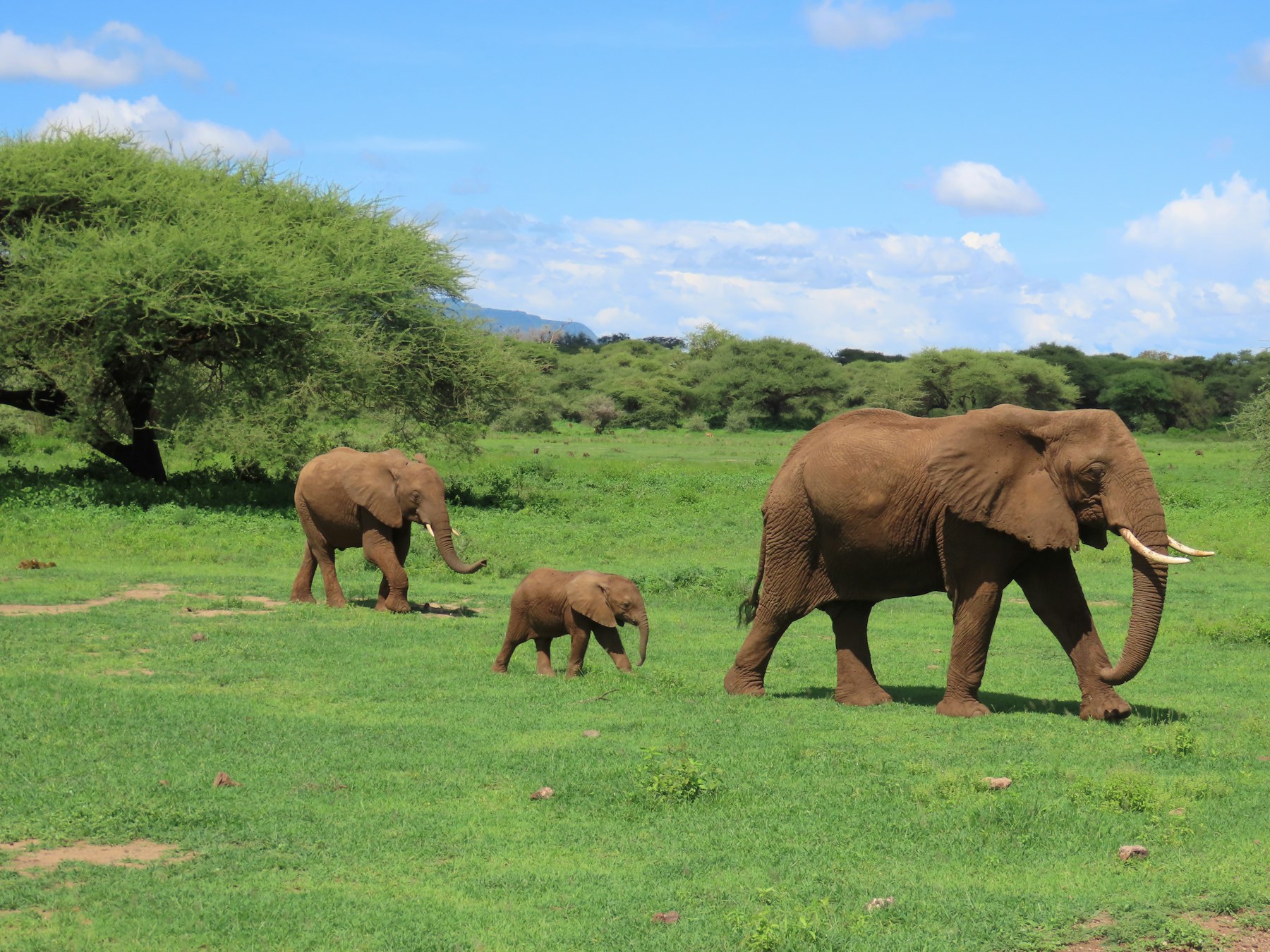
After days of staring at your boots and the trail ahead, there is something almost perfect about sitting quietly and watching elephants decide where they want to go.
Next Steps
Read Moshi Before and After Kilimanjaro, then compare Tarangire, Ngorongoro, and Serengeti for your extension.
Sources and Planning References
- TANAPA — Tarangire National Park
- TANAPA — Tarangire Visitor Guide
- Ngorongoro Conservation Area Authority
- NCAA — Visitor Information
- CDC Yellow Book 2026 — African Safaris and Climbing Expeditions
2027 Kilimanjaro Adventure — Northern Circuit
Ready to turn the research into a real climb? See dates, route, pricing, inclusions, and availability.
View this trip