
Choosing a Kilimanjaro route is one of the most consequential decisions in the planning process. The mountain is the same, but the approaches differ in duration, scenery, traffic, sleeping arrangements, trail profile and opportunities to acclimatize. There is no single “best” route for every climber. The right question is which route best matches your time, priorities and tolerance for the tradeoffs.
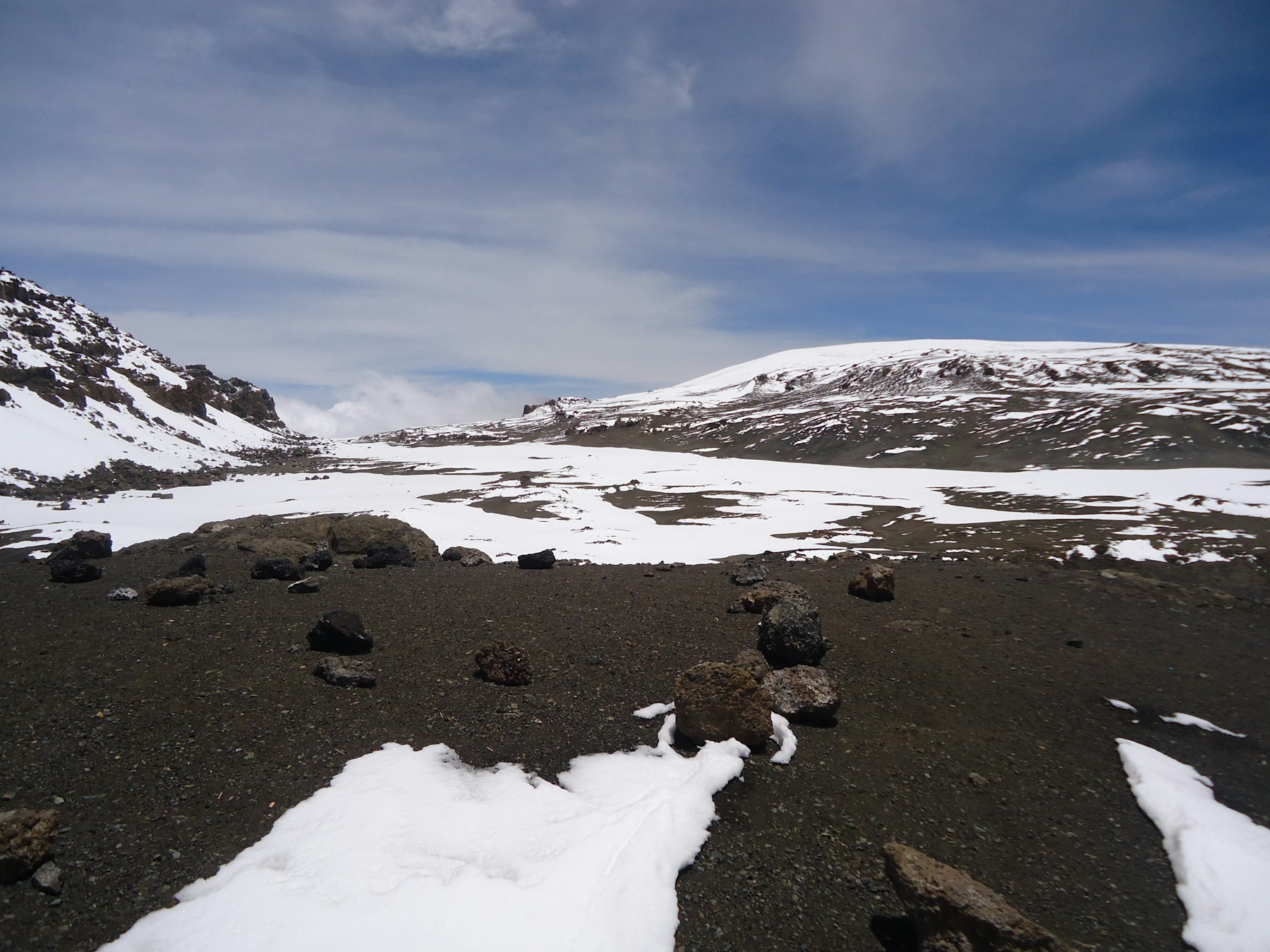
The Main Kilimanjaro Routes
The routes most visitors compare are Lemosho, Northern Circuit, Machame, Rongai, Marangu, Umbwe and Shira. Lemosho approaches from the west and is widely chosen for scenery and a gradual itinerary. Northern Circuit begins on the western side and continues around the quieter northern slopes, using additional days to create a longer mountain experience. Machame is one of the classic camping routes and is popular because it combines varied scenery with a well-established itinerary. Rongai approaches from the north near the Kenyan side of the mountain. Marangu is distinctive because climbers sleep in huts rather than tents. Umbwe is a steeper, more direct approach and is generally a poor choice for anyone trying to maximize gradual acclimatization. Shira begins high on the western side, which makes the starting elevation an important consideration.
Duration Matters
Route names receive most of the attention, but itinerary length deserves equal weight. Two trips using the same named route can create meaningfully different experiences if one compresses the ascent into fewer days. Extra time does not guarantee a summit, and no itinerary eliminates altitude risk, but a more gradual schedule can give the body additional time to adjust. When comparing trip proposals, look beyond the route label and examine where you sleep each night, the elevation changes and the total number of mountain days.
Scenery and Crowds
Western approaches such as Lemosho are popular partly because they cross several distinctive environments and provide expansive views as the route moves around the mountain. Northern Circuit is attractive to travelers who value a longer, quieter itinerary. Machame offers dramatic terrain but can feel busy during popular seasons. Rongai provides a different perspective from the north. Marangu has its own trail corridor and hut system. Crowd levels vary with season, departure day and operator scheduling, so route choice is only one factor.
Camping or Huts
Most Kilimanjaro routes are camping trips. Porters carry the main camp equipment, and climbers sleep in tents while keeping personal essentials in a daypack. Marangu is the principal hut route, which appeals to travelers who do not want to sleep in tents. Huts do not turn Kilimanjaro into a hotel-based trek; the experience is still a high-altitude mountain journey with shared facilities and basic mountain accommodation.
How to Compare Routes
Use five questions to narrow the field. First, how many mountain days can you realistically allow? Second, how important is a quieter trail? Third, do you care strongly about camping versus huts? Fourth, how much weight do you place on a gradual ascent profile? Fifth, what overall Tanzania itinerary are you trying to build around the climb? A route that looks ideal in isolation may be less attractive if it forces rushed international travel or removes recovery days from the rest of the trip.
| Route | General Character | Often Chosen By |
|---|---|---|
| Lemosho | Scenic western approach, camping | Climbers wanting a balanced, longer itinerary |
| Northern Circuit | Longer circuit, quieter northern slopes | Travelers prioritizing time and solitude |
| Machame | Classic southern camping route | Climbers comfortable with a busier trail |
| Rongai | Northern approach | Travelers seeking a different side of the mountain |
| Marangu | Hut-based route | Climbers who prefer huts to tents |
| Umbwe | Steeper, direct approach | Experienced trekkers with a deliberate plan |
| Shira | High western start | Climbers whose operator has a clear acclimatization rationale |
Where to Start
For a deeper comparison, read Kilimanjaro Routes Compared. Then review the Altitude & Acclimatization Guide before deciding that a shorter itinerary is automatically better. Route choice should support the larger goal: a safe, enjoyable mountain experience that gives you the best reasonable opportunity to adapt, keep moving and appreciate where you are.