
Once the Kilimanjaro climb begins, the trip becomes wonderfully simple: wake, eat, walk slowly, drink, monitor how you feel, arrive at camp, recover and repeat. The details around that rhythm matter. Understanding daily routines, climate changes, camp life, guide communication and summit night before departure helps remove surprises and lets you focus on the mountain itself.
A Typical Hiking Day
Most days begin with an early wake-up, breakfast and packing your personal gear while the mountain crew breaks down camp. Your main duffel travels separately with the porter team; you hike with a daypack containing water, layers, rain protection, snacks and personal essentials. The guide controls the pace and may deliberately keep it slower than the speed you would choose at home. That is a feature, not a problem. Kilimanjaro rewards patience.
Lunch may be served on the trail or at a designated stop depending on the itinerary and operator. When you reach camp, the priority is usually to change out of damp layers, hydrate, eat, rest and prepare for the next day. Some itineraries include short acclimatization walks from camp.
The Mountain Keeps Changing
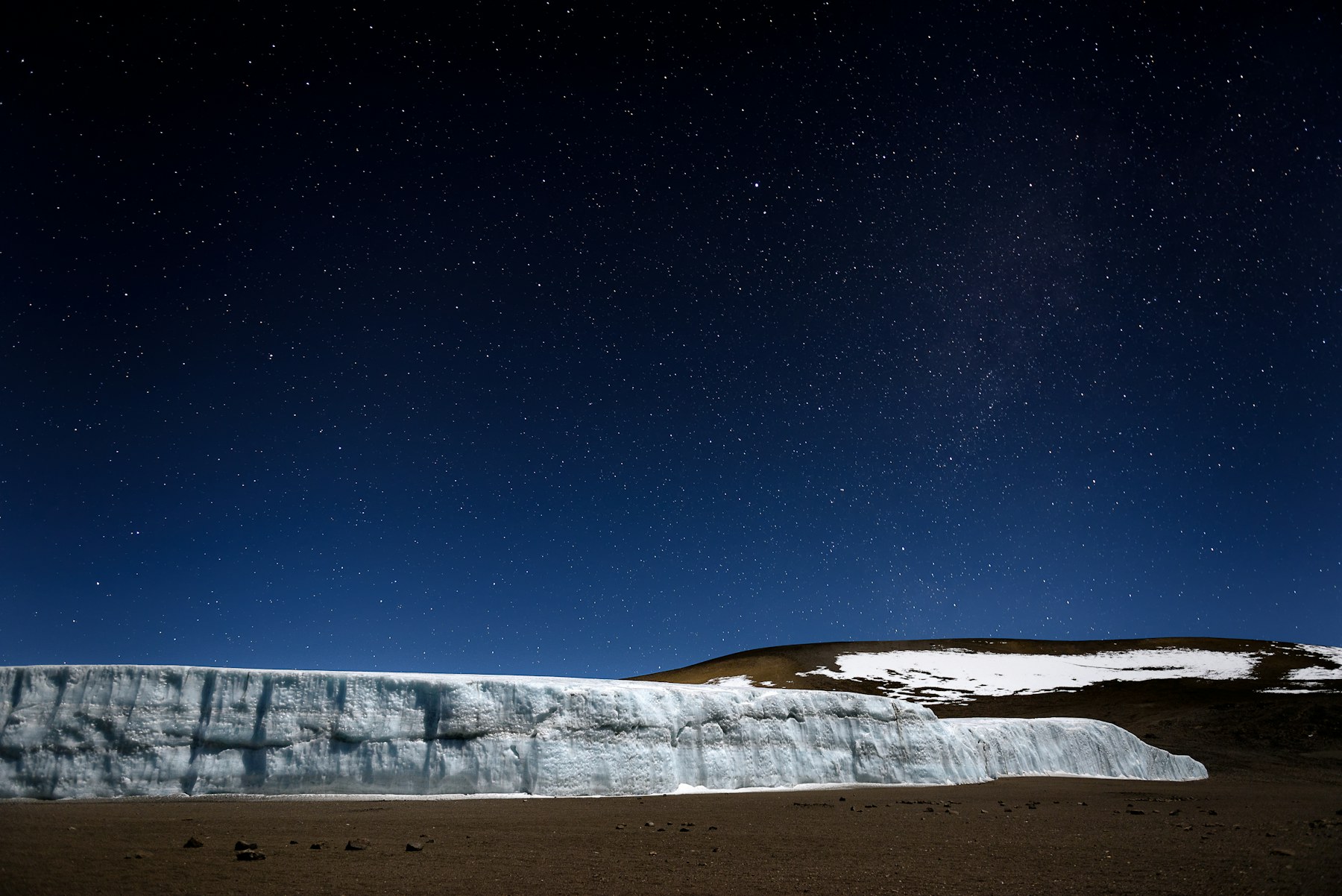
Kilimanjaro is memorable partly because the landscape changes so dramatically. Lower sections pass through cultivated foothills and montane forest. Higher up, forest gives way to heath and moorland, then increasingly sparse alpine terrain. Near the summit, the environment is stark, cold and volcanic, with ice and snow features depending on season and conditions. Packing must accommodate that range rather than the weather forecast for Moshi.
Camp Life
On camping routes, your tent becomes both bedroom and recovery space. Keep it organized. Put tomorrow’s clothing and nighttime essentials where they are easy to reach, protect electronics and batteries from cold, and avoid turning every evening into a complete unpack-and-repack exercise. A dry sleeping system and warm sleep clothing can make the difference between arriving at breakfast restored and beginning the next stage already depleted.
Food and Water
Operators typically provide meals and treated or managed water on the mountain, but exact systems vary. Ask how drinking water is collected and treated, what meals are normally served and how dietary restrictions are handled before you book. Appetite can change at altitude, so familiar snacks in the daypack are useful even when meals are provided. Drink regularly rather than trying to correct an entire day of poor hydration after reaching camp.
Communication With Your Guides
Your guide team is a central part of the safety system. Tell them how you actually feel. Headache, nausea, unusual fatigue, dizziness, coordination problems, breathing difficulty at rest or changes in mental status should never be hidden because you are afraid of losing the summit. A good team watches pace, symptoms and behavior, but they cannot make perfect decisions with incomplete information.
Before the climb, read our Altitude & Acclimatization Guide so you understand why symptom progression matters and why descent is sometimes the correct response.
Weather and Layer Management
One of the easiest ways to become uncomfortable is to sweat heavily into insulation early in the day and then get cold when the pace slows. Add and remove layers proactively. Keep rain protection accessible, not buried in the duffel you will not see until camp. Protect sun-exposed skin even in cool air, and remember that wind can make a moderate temperature feel dramatically colder.
Summit Night
The summit push is different from ordinary trail days. Climbers generally start in darkness, move extremely slowly and spend hours gaining elevation in the cold. Headlamps create a small pool of light while the line of climbers ahead can appear to stretch indefinitely up the slope. The objective is to stay warm, maintain a sustainable rhythm, keep eating and drinking as conditions allow, and respond honestly to how your body is handling the altitude.
Our Kilimanjaro Summit Night guide explains the sequence from preparation in camp through the crater rim, Uhuru Peak and the long descent.
The Descent Is Part of the Climb
Reaching the summit does not end the physical work. The descent can be hard on knees and tired legs, particularly after the long summit push. Trekking poles, controlled pacing and the strength developed during training become especially valuable. Continue eating, drinking and paying attention to footing. Many climbers discover that the descent is where months of step-downs, downhill hiking and leg-strength work finally make sense.
Respect the Mountain Team
Guides, assistant guides, cooks and porters make supported Kilimanjaro trekking possible. Operator selection should include attention to staff treatment, equipment, pay practices and safety culture rather than price alone. Learn the tipping process in advance and ask the operator how porter welfare is monitored. The mountain experience is inseparable from the people who make the expedition run.