
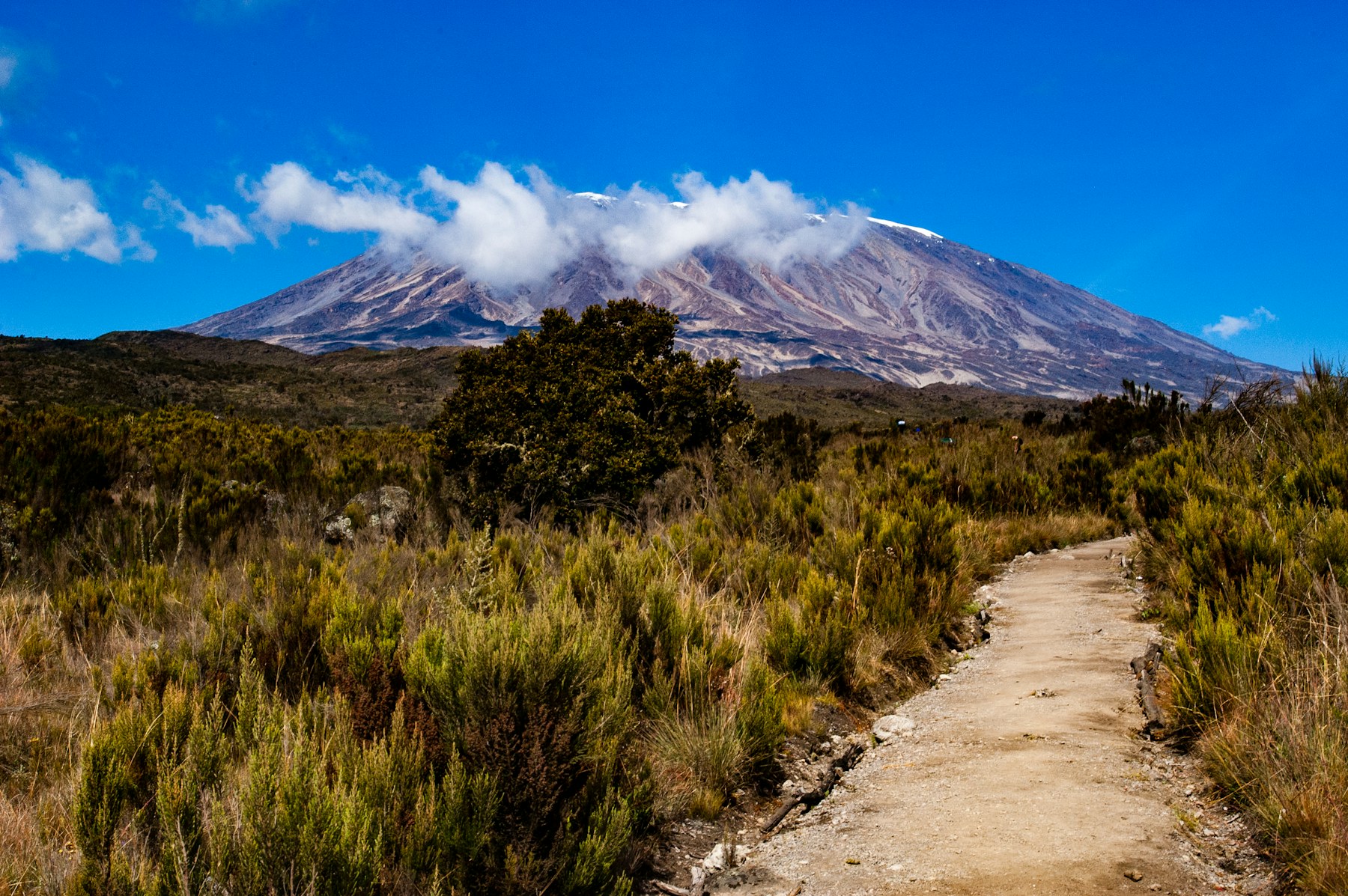
Training for Kilimanjaro is about durability. You are preparing to walk for multiple consecutive days, climb and descend thousands of vertical feet, carry a daypack, recover in a tent or hut, and then attempt a very long summit day at nearly 5,900 meters. The best program is not the most extreme program—it is the one you can follow consistently without arriving in Tanzania injured or exhausted.
What You Are Training For
A normal Kilimanjaro day may involve several hours of steady trekking at a deliberately slow pace. Some days are short enough to feel surprisingly manageable. Others combine meaningful elevation gain with rough terrain. Summit day is different: it begins at night, continues for many hours at extreme altitude, and is followed by a substantial descent.
Your training therefore needs to develop five things:
- Aerobic endurance for long periods of low-to-moderate intensity work.
- Leg strength for climbing, stepping over rocks, and controlling descents.
- Muscular endurance so your legs remain useful after several consecutive days.
- Foot and equipment tolerance so boots, socks, poles, and pack feel normal.
- Mental patience for moving slowly for a long time without turning every climb into a race.
How Long Should You Train?
For an active hiker with a reasonable fitness base, 12–16 weeks of focused preparation is a practical range. Someone starting from a low activity level may benefit from a longer runway. The purpose of the first weeks is consistency, not intensity.
If you are months away from your climb, do not wait for the “official” training block. Begin walking regularly, strengthen your legs and core, and make weekend hiking part of your routine. The focused program can then build on a base instead of starting from zero.
The 16-Week Framework
| Phase | Weeks | Priority |
|---|---|---|
| Foundation | 16–13 | Consistency, aerobic base, basic strength, footwear break-in |
| Build | 12–9 | Longer hikes, more vertical gain, regular stairs/incline |
| Specific | 8–5 | Long hiking days, back-to-back days, full daypack |
| Peak | 4–3 | Highest training volume, mountain-specific confidence |
| Taper | 2–1 | Reduce volume, maintain movement, recover, travel ready |
Aerobic Base
Most Kilimanjaro movement is not fast. You need the ability to work steadily for hours. Brisk walking, hiking, cycling, elliptical work, easy running, and similar aerobic exercise can all contribute. The best choice is the one you can repeat consistently and recover from.
Early in the program, three or four moderate aerobic sessions per week can be more valuable than one brutal session. As your long hikes become larger, some shorter sessions should stay easy. Training is not a competition to see how tired you can make yourself.
Hiking Volume
Nothing prepares you for hiking like hiking. Start with a distance and duration that leave you functional the next day. Then gradually extend one weekend hike. By the specific phase, many climbers should be comfortable spending four to six hours on their feet, and some peak weekends can be longer if your background and recovery support it.
You do not need to replicate summit day every weekend. The objective is to become familiar with long, steady movement while preserving enough recovery to train again.
Elevation Gain
Vertical gain is more specific than flat mileage. If you live near mountains, use them. If you live in a flat area, use treadmill incline, stair machines, stadium steps, parking garages where permitted, or repeated hill laps. Step-ups onto a stable bench can also build climbing endurance.
Track vertical gain alongside distance. A six-mile hike with 3,000 feet of ascent can be more useful for Kilimanjaro than a flat 12-mile walk.
Strength Training
Two strength sessions per week are enough for many trekkers during the early and middle phases. Prioritize movement quality and control rather than maximal lifting. Useful patterns include:
- squats or supported squat variations;
- split squats and lunges;
- step-ups;
- hip hinges or deadlift variations;
- calf raises;
- rows and presses for pack posture and general strength;
- planks, carries, and anti-rotation core work.
Downhill strength deserves special attention. Your quadriceps act as brakes for hours during descent. Controlled step-downs, split squats, and actual downhill hiking help build the eccentric strength that makes the trip back down more manageable.
Back-to-Back Hiking Days
Kilimanjaro is not a one-day event, so your training should eventually stop being one-day focused. During the final two months, add selected weekends with a longer hike on Saturday and a shorter but meaningful hike on Sunday.
The second day teaches you to move on legs that are not completely fresh. It also tests footwear, foot care, fueling, recovery habits, and motivation. You do not need back-to-back monster days every weekend. One or two per month during the specific phase can provide valuable information.
Train With Your Daypack
Your daypack will normally carry water, rain shell, insulation, snacks, sunscreen, camera or phone, personal medications, and other items you need while walking. Porters carry your duffel, so there is no benefit in training with an expedition backpack loaded like a self-supported trek unless that is part of your personal plan.
Start light. Gradually train with the weight you expect to carry. Pay attention to shoulder comfort, hip-belt fit, bottle or hydration-hose access, and how easily you can reach your rain layer without unpacking everything.
Footwear Is Part of Training
Do not arrive in Tanzania with boots you have worn twice. Your training period is the test lab for footwear, socks, liners if you use them, insoles, blister prevention, and lacing technique.
Try your planned system on long climbs and long descents. Discovering heel lift at hour five of a local hike is useful. Discovering it above 4,000 meters is not.
Use Trekking Poles Before the Trip
Trekking poles reduce some of the load on tired legs and can improve balance on loose ground. They are most helpful when their use is automatic. Practice adjusting pole length, placing them on steep climbs, using them on descent, and packing them for travel.
A Sample Training Week
| Day | Example session |
|---|---|
| Monday | Rest or easy mobility/walk |
| Tuesday | 45–60 minutes aerobic + short strength session |
| Wednesday | Incline/stair session, moderate effort |
| Thursday | Strength + easy walking |
| Friday | Rest or very easy aerobic recovery |
| Saturday | Long hike with meaningful elevation gain |
| Sunday | Easy-to-moderate hike, walk, or recovery session |
This is a template, not a prescription. Adjust it to your age, training history, work schedule, injury history, and professional medical advice where relevant.
How Hard Should Training Feel?
Most sessions should not be all-out. Kilimanjaro rewards sustainable output. You should be able to complete many aerobic sessions at a conversational pace and finish long hikes tired but not destroyed.
Hard intervals can improve general fitness, but they are a supplement—not a substitute for time on feet and elevation gain. If high-intensity training leaves you too sore to hike consistently, it is working against the primary goal.
Altitude Training
If you live at elevation or can safely spend time at altitude before the trip, prior exposure can be useful. The CDC notes that spending at least two nights above roughly 2,750 meters within the weeks before a high-altitude trip can help. It also notes Kilimanjaro-specific options such as Mount Meru or time at elevation elsewhere in the region.
However, simulated-altitude tents and masks are not a reason to choose a rushed mountain itinerary. The most important altitude strategy is still a conservative ascent schedule. See our Altitude and Acclimatization Guide.
Fueling and Hydration Practice
Training hikes are where you learn what food you actually tolerate after several hours. Use a mix of normal food and portable snacks. Practice eating before you become ravenous. Test drink mixes, electrolyte products, and water systems in training rather than introducing everything on the mountain.
At altitude, appetite can decline. Having familiar foods and a practiced routine makes it easier to keep taking in energy when you do not feel particularly hungry.
Recovery
Sleep, rest days, adequate food, and sensible progression are part of training. If your legs are constantly sore, your resting energy is declining, or old injuries are resurfacing, adding more volume is not automatically the answer.
The best training program is the one that gets you to departure healthy. Missing one workout is irrelevant compared with losing three weeks to an avoidable overuse injury.
The Final Four Weeks
Weeks four and three can include your biggest specific hiking weekends. By then, your boots, daypack, poles, rain layers, and fueling should be familiar. Two weeks before departure, begin reducing volume. Keep moving, but stop trying to prove fitness.
The final week is about recovery, sleep, organization, and travel. A hard last-minute hike will not create meaningful new fitness. It can create sore knees, blisters, or fatigue.
Training Mistakes to Avoid
- Only doing cardio machines. Use them, but also hike on real terrain.
- Ignoring descent. Strong climbing legs can still be destroyed by downhill mileage.
- Never wearing the actual gear. Training is your equipment test.
- Increasing volume too quickly. Consistency beats a three-week panic block.
- Assuming fitness solves altitude. It does not.
- Training exhausted right up to departure. Arrive recovered.
Our Practical Readiness Test
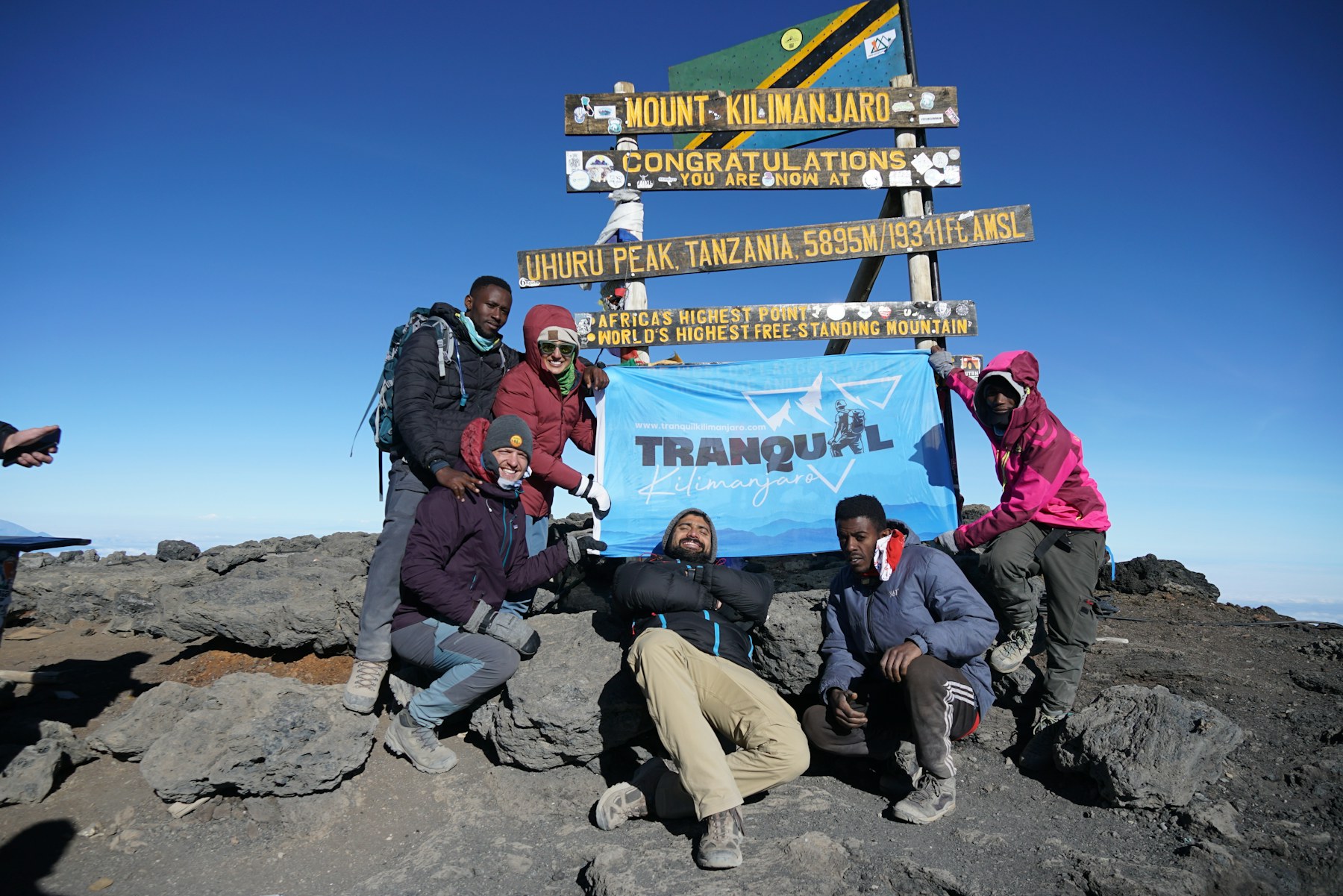
Before leaving for Tanzania, we want to know that we can complete a long hiking day with meaningful climbing, wake up the next morning, and hike again without feeling wrecked. We also want every critical piece of gear to have been used in training.
If you can do that consistently, the physical side of Kilimanjaro becomes much less mysterious. The altitude remains unpredictable, which is exactly why we separate training confidence from summit entitlement.
Next Steps
After building your training calendar, work through the Complete Packing List, read the Altitude Guide, and study Summit Night. Training becomes more useful when you understand the exact conditions you are preparing for.
Sources and Planning References
- CDC Yellow Book 2026 — High-Altitude Travel and Altitude Illness
- CDC Yellow Book 2026 — African Safaris and Climbing Expeditions
- TANAPA — Kilimanjaro Visitor Guide
2027 Kilimanjaro Adventure — Northern Circuit
Ready to turn the research into a real climb? See dates, route, pricing, inclusions, and availability.
View this trip