
The Shira Plateau is the kind of place that recalibrates your sense of scale.
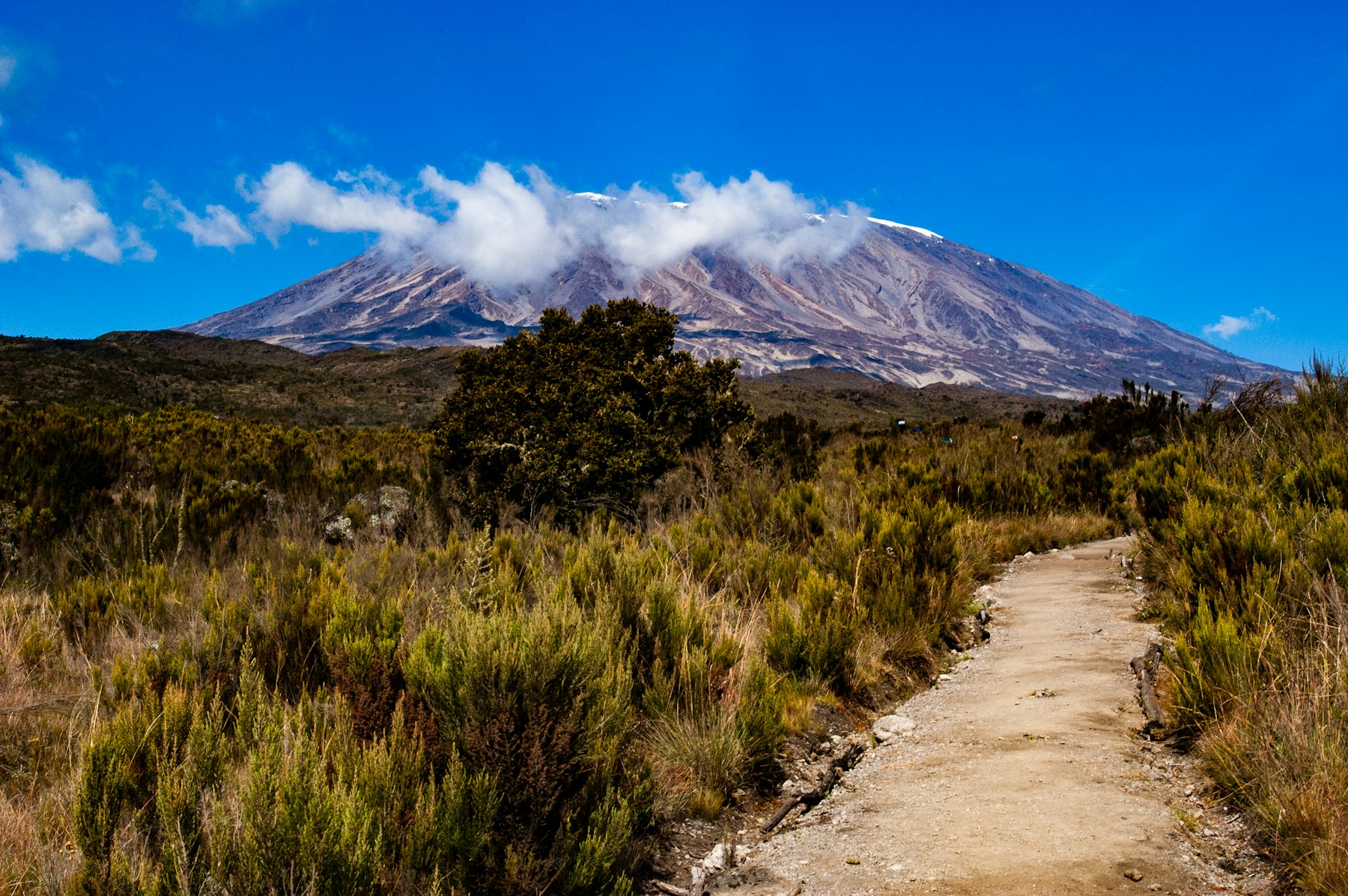
We left Shira 1 expecting a relatively gentle day. On paper it sounded friendly: about five miles, four to five hours and a modest gain in sleeping elevation. On the mountain, “easy” had already become a word I was reluctant to use.
The trail crossed open moorland beneath an enormous sky. There were few familiar reference points—no buildings, no roads, nothing designed around human scale. I felt tiny.
And I liked it.
The Group Starts Becoming a Team
By day three, introductions were over. We knew who liked to hike near the front, who always had extra snacks and who could turn almost anything into a joke. Elena Torres had become our unofficial snack quartermaster. She carried ginger chews, gummy bears and salted crackers in separate color-coded bags.
“I refuse to let morale collapse because somebody is bored with trail mix,” she said.
Ben Walker carried the smallest daypack in the group and somehow always produced exactly the piece of gear someone needed. At one break Sarah asked whether anyone had sunscreen. Ben silently handed her a small bottle.
Marcus shook his head. “You are either extremely prepared or secretly carrying a 40-liter pack in another dimension.”
A Camp Routine Appears
At Shira 2, I realized I had developed a ritual. Duffel on one side of the tent. Sleeping bag fluffed immediately. Headlamp in the upper pocket. Tomorrow’s base layer inside the sleeping bag so it would be warm in the morning. Wet gear near the vestibule. Water bottle within reach.
This would have looked obsessive at home. On Kilimanjaro, organization was kindness to my tired future self.
Tea came with popcorn again, and nobody mocked the popcorn anymore. We attacked it. Dinner was vegetable soup, pasta with a tomato-based sauce and fruit. The cook had somehow produced food that felt comforting at 12,600 feet, which seemed like magic.
David looked into his bowl and said, “If someone served me this soup at home, I would say it was good. Up here, it deserves a Michelin star.”
The Altitude Becomes Noticeable
That afternoon I finally noticed the elevation in a way that made me stop.
I walked a short distance across camp and felt slightly more breathless than the effort deserved. Nothing dramatic. No dizziness. No significant headache. Just a sense that a deep breath returned a little less than I had requested.
I checked myself carefully.
Headache? No.
Nausea? No.
Coordination? Fine.
Appetite? Still good.
I drank more water and told Joseph what I had noticed. He nodded without concern and asked a few questions.
“You do not get points for hiding how you feel,” he said. “The mountain already knows.”
That was one of the most useful things anyone said all week.
Clouds Below Us
Late in the day the clouds moved below camp.
Below us.
I do not think I will ever find that normal.
Kibo appeared above the plateau and for a few minutes the mountain looked close enough to study in detail. Then clouds moved again and the view changed.
Tomorrow we would climb toward Lava Tower and touch approximately 15,000 feet before descending to Moir Hut.
That number had lived in my head for months. Fifteen thousand feet was the first altitude that felt like a real test.
Would I get a headache? Lose my appetite? Feel sick? Would the training matter?
The questions started multiplying, so I brought my attention back to the things immediately in front of me.
Drink.
Eat.
Keep my gloves where I could find them.
Sleep.
The mountain was teaching me to live in smaller units of time.
Before bed, I stood outside the tent and watched the light fade across the plateau. I had never felt smaller.
For once, feeling small did not make me feel insignificant.
It made me feel lucky.
2027 Kilimanjaro Adventure — Northern Circuit
Ready to turn the research into a real climb? See dates, route, pricing, inclusions, and availability.
View this trip