
Nobody talks enough about the descent.
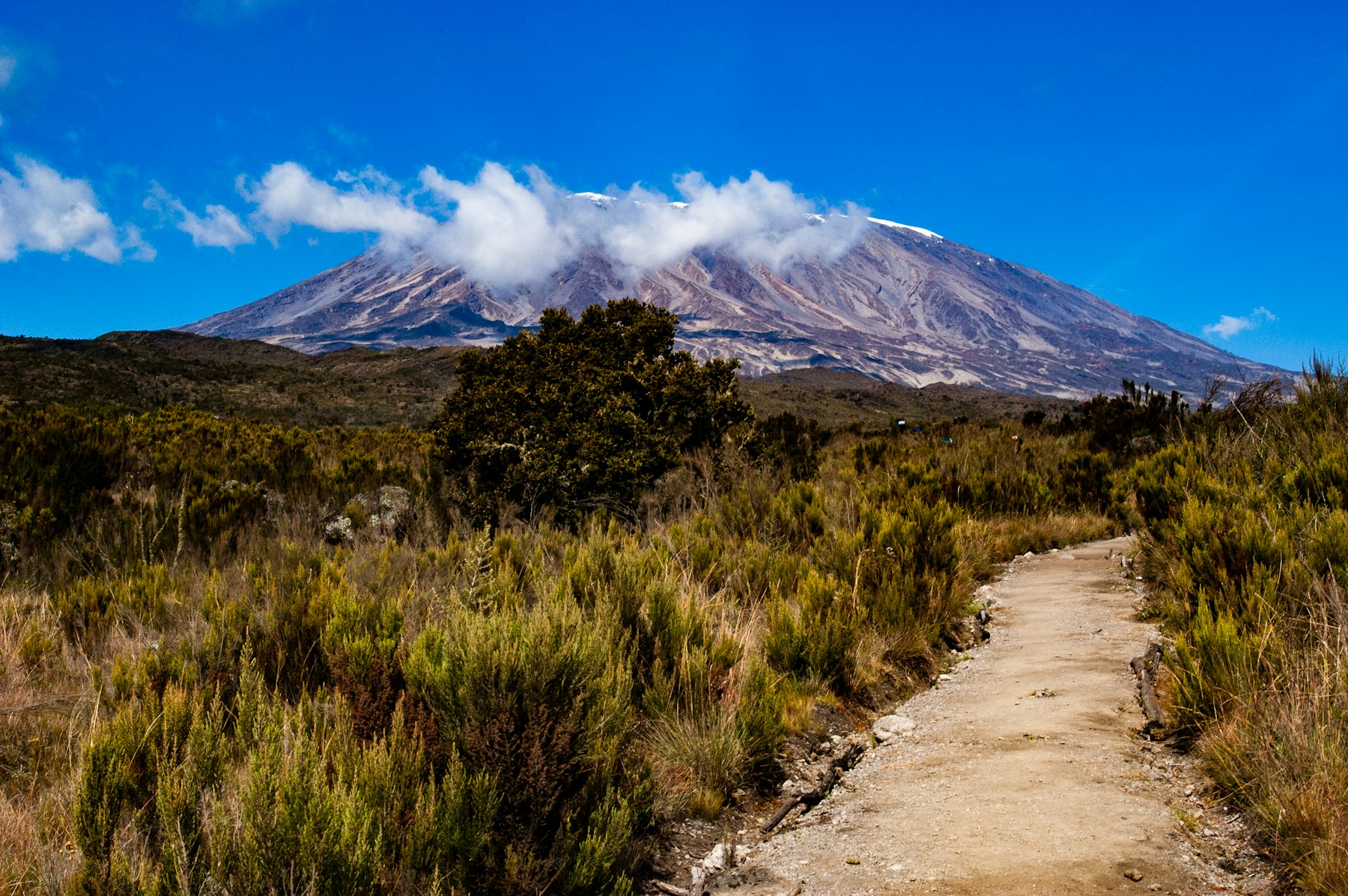
Before the trip, almost every conversation centered on getting up. Routes. Training. Altitude. Summit night. Uhuru Peak.
Nobody gets equally excited about walking downhill through mud on exhausted legs.
They should at least warn you.
Morning After the Summit
Our final morning at Millennium Camp was lighter emotionally and heavier physically.
We had reached Uhuru Peak. There was no longer a summit hanging over every conversation. People laughed more.
People also groaned more when standing up.
Sarah came out of her tent, took three stiff steps and announced, “I have aged twelve years overnight.”
Marcus replied, “Only twelve?”
Breakfast was porridge, eggs, fruit and tea. I ate with real appetite again, which felt like a luxury after the higher camps.
We packed for the final time. Stuff sleeping bag. Organize duffel. Fill water. Check poles. Put rain gear near the top.
The repetition had become automatic.
Green Again
As we descended, the landscape changed rapidly. Sparse alpine terrain became scrub, then forest. After days of volcanic browns and grays, green looked almost fluorescent.
So did oxygen.
Breathing felt easier with every loss of elevation.
My knees were less enthusiastic.
The lower trail was damp and muddy in places. Gaiters, which had seemed like optional gear during dry sections higher up, finally earned their place. Trekking poles became essential on slick steps.
David planted one pole into what looked like firm ground and sank it six inches into mud.
“Technical terrain,” he said.
Ten minutes later I slipped slightly and grabbed a branch with all the grace of a falling refrigerator. Nobody let me forget it.
The Last Trail Lunch
We stopped for a final trail meal and ate with the kind of appetite that arrives when the hard part is over. Rice, vegetables, chicken and fruit disappeared quickly.
Elena opened the final bag of gummy candies and passed them around.
“Ceremonial closing of the snack program,” she said.
It was ridiculous how sentimental we had become about food.
Mweka Gate
Then Mweka Gate appeared.
Vehicles. Buildings. People. The boundary between mountain life and ordinary life.
I felt happy to see it and unexpectedly sad.
At the gate came the summit certificates.
Holding the paper felt strange. It was official, but the certificate was not the achievement. It was simply evidence of everything the paper could not show: cold hands, headaches, soup, laughter, wind, dark trails and thousands of slow steps.
We took pictures looking tired and proud.
Moving Faster Than Walking Speed
The ride back to Moshi was almost disorienting.
For nine days, we had experienced Tanzania at walking speed. Suddenly the world moved past the window rapidly.
Marcus looked outside and said, “This vehicle is going irresponsibly fast.”
We were probably moving forty miles an hour.
Back at the Pink Flamingo Boutique Hotel, a hot shower felt like technology from the future. Clean clothes felt ceremonial. A chair felt decadent.
I put my dirty boots by the door and stared at them for a while.
They looked destroyed.
They also looked perfect.
That night we ate together again in clean clothes. Pizza appeared, along with salad and cold drinks, and for the first time nobody had to worry about tomorrow’s elevation.
The group was beginning to separate—some toward safari plans, some eventually toward flights home.
The mountain that had completely consumed our lives for nine days was already becoming a memory.
I slept in a real bed that night.
And somehow, I missed the tent.
2027 Kilimanjaro Adventure — Northern Circuit
Ready to turn the research into a real climb? See dates, route, pricing, inclusions, and availability.
View this trip