
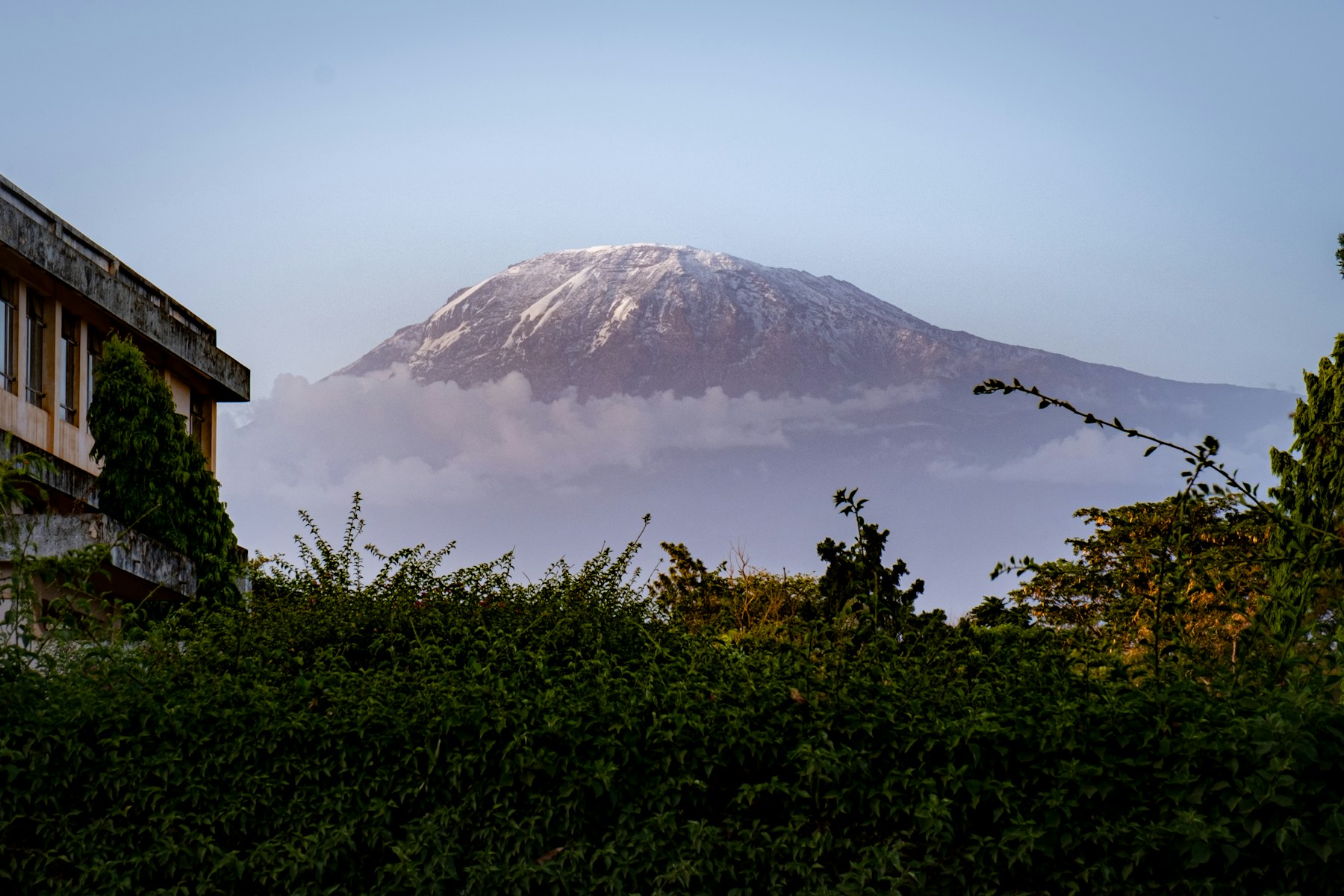
Moshi is the natural staging town for a Kilimanjaro climb. It sits on the mountain’s southern side in Tanzania’s Kilimanjaro Region, close enough that Kibo can rise dramatically above town when the clouds clear. For climbers, Moshi is where jet lag, gear checks, guide briefings, last-minute errands, and post-summit showers all become part of the expedition story.
Why Stay in Moshi?
TANAPA identifies Moshi and Arusha as the primary access centers for Kilimanjaro National Park. Moshi is smaller, closer to the mountain, and heavily oriented toward climbing. Many operators maintain offices, warehouses, guides, vehicles, and rental equipment in or around town.
It also gives you a psychological transition between international travel and the mountain. You can arrive, sleep, reorganize gear, meet the team, and deal with a delayed bag or forgotten item before the trailhead transfer.
How Many Nights Before the Climb?
We would build at least one full night in Moshi before the scheduled pre-climb briefing, and ideally enough buffer that a moderate flight delay does not destroy the expedition. If the trip budget allows, arriving two nights before the mountain is more comfortable than landing late at night and starting almost immediately.
That buffer is especially valuable if you are checking critical luggage. International connections fail. Bags arrive late. A spare day can turn a crisis into an inconvenience.
Getting to Moshi
Kilimanjaro International Airport (JRO) is the main international gateway. TANAPA lists JRO as the airport most climbers use. Your operator will often include or offer an airport transfer.
Do not assume a random airport taxi knows your lodge or that a late-night arrival will be easy. Confirm the driver’s name or contact method, pickup point, and emergency number before flying. Save the hotel and operator contact details offline.
Moshi or Arusha?
| Moshi | Arusha |
|---|---|
| Closer to Kilimanjaro | Larger city and safari hub |
| More climb-focused atmosphere | More extensive restaurant and lodging selection |
| Convenient for gear checks and many operators | Convenient for northern safari departures |
| Good choice before the mountain | Good choice for post-climb safari transition |
There is no need to choose one for the entire trip. A strong itinerary can use Moshi before the climb and Arusha or a safari lodge afterward.
Where to Stay
For a pre-climb hotel, we care less about luxury than about logistics. Look for:
- reliable airport transfers;
- secure luggage storage while you are on the mountain;
- early breakfast or expedition-friendly meal times;
- laundry service for post-climb recovery;
- rooms quiet enough to recover from travel;
- space for gear sorting;
- proximity to your operator or included briefing location.
If your climbing company includes a hotel, ask whether extra nights can be added at the same property. Avoiding a hotel move is worth something when you have duffels and expedition gear spread across the room.
The Pre-Climb Gear Check
A proper gear check is one of Moshi’s main functions. Your guide or operator should confirm that you have required layers, waterproofs, warm summit gear, sleeping equipment, suitable boots, daypack, water system, headlamp, and other essentials.
Take the check seriously. If the guide tells you a jacket is inadequate, solve the problem in Moshi. This is why rental inventory matters. Many companies can provide or arrange sleeping bags, down jackets, trekking poles, duffels, gaiters, and other items.
Gear Shops and Rentals
Moshi has outdoor stores and expedition-rental operations because of Kilimanjaro traffic. Selection is not the same as a major U.S. or European outdoor retailer, so do not plan to buy your entire kit after arrival. Think of Moshi as the place to solve a missing-item problem.
Boots are the worst item to replace at the last minute because fit and break-in matter. Carry them on the plane if possible. See our Packing List for airline strategy.
Money and ATMs
Carry more than one way to access money. ATMs are available, but card acceptance, withdrawal limits, network outages, and fraud controls can complicate travel. Notify your financial institution as needed and keep cards in separate locations.
Your operator should provide clear tipping guidance before the climb, including recommended currency and denomination strategy. Do not wait until the final night to discover you need a large amount of small bills.
SIM Cards, Wi-Fi and Connectivity
Moshi hotels, cafes, and lodges commonly offer Wi-Fi, but reliability varies. Local mobile data can be useful if your phone supports an eSIM or unlocked physical SIM. Decide whether you need constant connectivity or whether this trip is a chance to reduce it.
Save critical documents offline regardless: passport copy, insurance, operator phone numbers, hotel address, flight itinerary, and visa confirmation.
Visa and Entry Planning
Visa rules depend on nationality. Tanzania currently operates an electronic visa application system. The Immigration Department states that tourist visitors may use an ordinary visa, with an exception for U.S. nationals, who are directed to a multiple-entry visa for tourism. Fees and procedures can change, so use the official immigration site for the final pre-departure check.
A visa is not the only entry requirement. Make sure your passport validity and travel documents meet current Tanzania requirements.
Travel Health Before the Mountain
Use current travel-health guidance, not an old packing forum. CDC guidance for Tanzania includes malaria considerations at elevations below 1,800 meters, which means the lowland portions of your trip—Moshi, safari, and other travel—matter even if the summit is cold.
Review current vaccination and disease guidance for your exact itinerary and consult a travel-health professional when appropriate. Keep all essential medication in carry-on luggage.
Food Before the Climb
This is not the week to test your digestive courage. Eat enough, hydrate normally, and choose restaurants or hotel meals you trust. You do not need to live on plain rice, but a pre-expedition stomach illness is an avoidable complication.
Moshi has cafes, hotels, international-style restaurants, and Tanzanian food. Coffee is particularly relevant here: the Kilimanjaro region is an important coffee-growing area, and the foothills are closely associated with Chagga farming communities.
Coffee and the Kilimanjaro Foothills
If you have an extra day, a coffee-focused cultural visit can be a good way to see the greener lower slopes rather than sitting at the hotel. The Tanzania tourism site describes Moshi as an important coffee center, and villages around Kilimanjaro offer farm visits and cultural programs.
Keep pre-climb excursions easy. A long, hot day trip right before your trek defeats the purpose of arriving early to rest.
Materuni and Waterfall Day Trips
Materuni, on Kilimanjaro’s lower slopes, is commonly visited for waterfalls, village scenery, and coffee experiences. It can be attractive before or after the mountain, but consider how much hiking you want immediately before starting a multi-day climb.
If you visit before Kili, keep the day comfortable and return early enough to organize gear and sleep.
What to Do the Day Before the Climb
- complete the operator briefing and gear check;
- separate mountain duffel from stored travel luggage;
- charge every device and power bank;
- withdraw or organize needed cash;
- eat a normal dinner;
- hydrate normally;
- set out the first-day hiking clothes;
- confirm pickup time;
- go to bed early.
Returning to Moshi After Kilimanjaro
The post-climb hotel is one of life’s underrated luxuries. You will want a shower, clean clothing, a real meal, laundry, and sleep. Do not schedule every post-climb hour.
Give yourself enough time to sort gear, tip or celebrate with the team according to operator procedures, retrieve stored luggage, and mentally come down from the expedition before launching into the next phase.
Safari Transition
If you are heading on safari, your operator may transfer you directly from Moshi or have you reposition to Arusha. We like a post-climb hotel night before a major safari transfer unless the itinerary is specifically designed otherwise.
After a week of hiking, sitting in a safari vehicle can feel wonderfully easy—but your legs may also be stiff. Comfortable loose clothing and camp shoes are useful.
Our Ideal Moshi Schedule
| Day | Plan |
|---|---|
| Arrival day | JRO transfer, light meal, sleep |
| Buffer day | Rest, short walk, gear organization, optional easy coffee/cultural activity |
| Pre-climb day | Official briefing and gear check, early dinner, final packing |
| Mountain | Begin trek |
| Return day | Shower, food, team celebration, sleep |
| Next day | Safari transfer or relaxed departure |
Why Moshi Belongs in the Story
Moshi is not merely the parking lot for Kilimanjaro. It is where the expedition begins to feel real. The mountain may appear between clouds while you are drinking coffee. Guides arrive for the gear check. Duffels are weighed. Headlamps get fresh batteries. Then, days later, you return dirty and exhausted with a completely different relationship to the mountain outside the window.
That makes Moshi worth more than a one-paragraph logistics note.
Next Steps
Continue with the Complete Kilimanjaro Guide, Packing List, and Safari After Kilimanjaro.
Sources and Planning References
- TANAPA — Kilimanjaro Visitor Guide
- Visit Tanzania — Moshi Town
- Tanzania Immigration Department — Visa Information
- Tanzania Electronic Visa Application System
- CDC Travelers’ Health — Tanzania
2027 Kilimanjaro Adventure — Northern Circuit
Ready to turn the research into a real climb? See dates, route, pricing, inclusions, and availability.
View this trip