
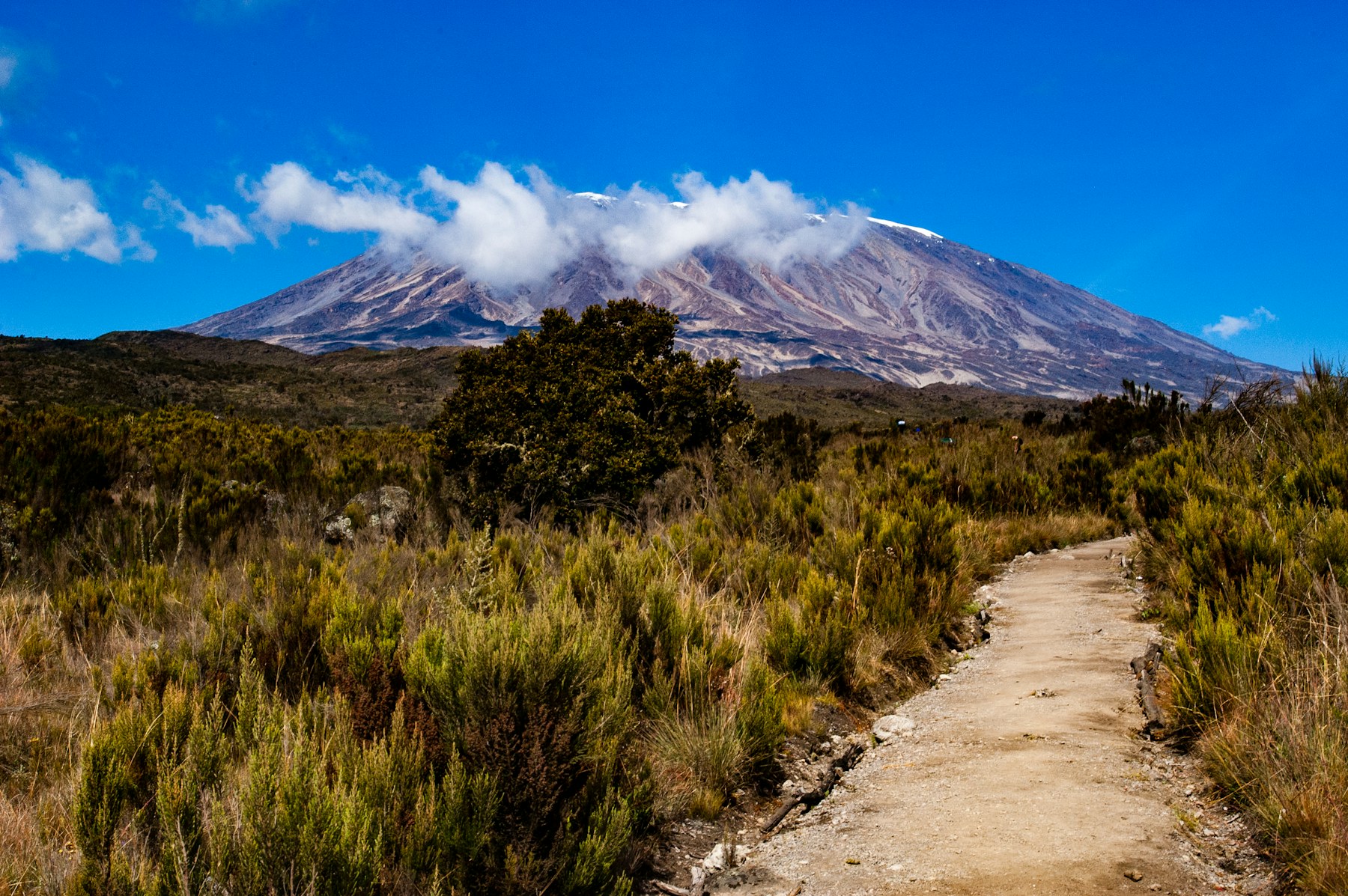
There is no single “best” Kilimanjaro route. The right choice depends on how many days you can spend on the mountain, how much you value scenery or solitude, whether you prefer huts or tents, your previous altitude experience, and how conservatively you want to approach acclimatization.
Route Comparison Table
| Route | Common itinerary | Sleeping | Character | Best fit |
|---|---|---|---|---|
| Lemosho | 7–8 days | Tents | Scenic western approach, then southern circuit | First-time climbers wanting a balanced itinerary |
| Northern Circuit | 8–9 days | Tents | Longer traverse around the quieter north | Climbers with time who value acclimatization and lower traffic |
| Machame | 6–7 days | Tents | Popular, scenic southern route | Fit trekkers who want a classic Kilimanjaro experience |
| Rongai | 6–7 days | Tents | Northern approach, generally quieter early | Travelers prioritizing a different approach and less early traffic |
| Marangu | 5–6 days | Huts | Established trail with hut accommodation | Climbers who strongly prefer huts to tents |
| Umbwe | 6–7 days | Tents | Steep, direct early ascent | Experienced trekkers who understand the acclimatization tradeoff |
| Shira | 7–8 days | Tents | High western start on the Shira Plateau | Climbers comfortable with a relatively high starting elevation |
Durations are common commercial examples, not fixed park rules. Operators can structure routes differently. Always compare actual overnight elevations and day-by-day plans.
How the Routes Fit Together
Kilimanjaro’s route names can make the mountain sound like seven completely separate highways to the summit. In practice, several approaches merge. Lemosho and Machame commonly join the southern circuit and pass landmarks such as Lava Tower, Barranco, Karanga and Barafu before the summit approach. The Northern Circuit begins from the western side but continues around the north before reaching the high eastern side of Kibo. Rongai approaches from the north and typically descends on Marangu. Marangu uses the eastern/southeastern side and is distinctive because it uses huts.
TANAPA’s official map and park materials are useful for understanding the geography. When comparing operators, ask for a day-by-day map or elevation profile, because itinerary variations matter more than marketing labels.
Lemosho
Lemosho is one of the strongest all-around choices for a first Kilimanjaro climb. It begins on the western side, crosses rich forest, reaches the Shira Plateau, and then usually joins the southern circuit. Common seven- and eight-day versions provide a more gradual progression than many shorter itineraries.
Why people choose it: variety of scenery, a strong acclimatization profile on longer versions, and the classic southern landmarks. The tradeoff is that the trail becomes busier after it merges with Machame traffic.
Who we think it suits: travelers who can devote seven or eight mountain days and want a highly scenic route without prioritizing solitude above everything else.
Northern Circuit
The Northern Circuit is commonly marketed as Kilimanjaro’s longest standard trekking option. It starts from the west, often sharing early Lemosho terrain, then swings around the mountain’s northern side. That adds time and generally spreads out elevation gain.
Why people choose it: additional days, quieter northern terrain, unusual perspectives of Kibo, and more time to acclimatize. The downside is simple: it requires more vacation time and usually costs more because every extra mountain day adds staffing, food, park, and logistics costs.
Who we think it suits: climbers whose top priorities are time for acclimatization and a less crowded experience, and who are comfortable spending eight or nine days on the mountain.
Machame
Machame is one of Kilimanjaro’s best-known routes. It approaches from the south, gains the Shira Plateau, and then uses the southern circuit. It is scenic and offers a useful climb-high/sleep-low pattern in places, particularly around Lava Tower and Barranco on many itineraries.
Why people choose it: scenery, established logistics, and efficient use of time. It is also popular, which means the trail and camps can be busy in peak periods.
Our caution: do not default to the shortest Machame option merely because the route is famous. If choosing Machame, we would strongly favor an itinerary that gives your body more time rather than compressing the climb.
Rongai
Rongai approaches Kilimanjaro from the north near the Kenyan border. Early days are usually quieter than the busiest southern approaches, and the route offers a different perspective on Mawenzi and Kibo. It is often described as drier because the northern side can receive less precipitation than the southern slopes, although mountain weather remains unpredictable.
Why people choose it: a quieter start, northern scenery, and the opportunity to see a different side of the mountain. It normally descends via Marangu, so you experience two sides of Kilimanjaro.
Who it suits: people who value a less trafficked approach and are comparing six- or seven-day itineraries.
Marangu
Marangu is often called the “Coca-Cola Route,” a nickname that can make it sound easy. That is misleading. The route still reaches 5,895 meters, and altitude remains the central challenge. Its defining feature is accommodation in mountain huts rather than tents.
Mandara, Horombo, and Kibo huts create a different rhythm from the tented routes. Some climbers appreciate having a solid structure, dining spaces, and no tent setup. Others prefer the more expedition-like feel of camping.
Our main concern: Marangu is frequently sold in short itineraries. If you choose it, consider an additional acclimatization day rather than treating hut accommodation as evidence that the route itself is easier.
Umbwe
Umbwe gains elevation aggressively on a steep southern approach before joining the southern circuit. It has a reputation for being direct and dramatic, but its early profile leaves less time for acclimatization than more gradual western approaches.
Who should consider it: experienced high-altitude trekkers who understand how they respond to rapid elevation gain and are choosing the route for a specific reason—not first-time climbers simply looking for the “hardest” option.
Shira
Shira uses the western side but begins higher than Lemosho, often with vehicle access onto the Shira Plateau. The scenery is excellent, but the high starting elevation can mean arriving at significant altitude quickly.
For many first-time climbers, Lemosho provides a similar western experience with a more gradual start. Shira can still make sense for the right traveler and itinerary, especially someone with recent altitude exposure.
What About Crater Camp?
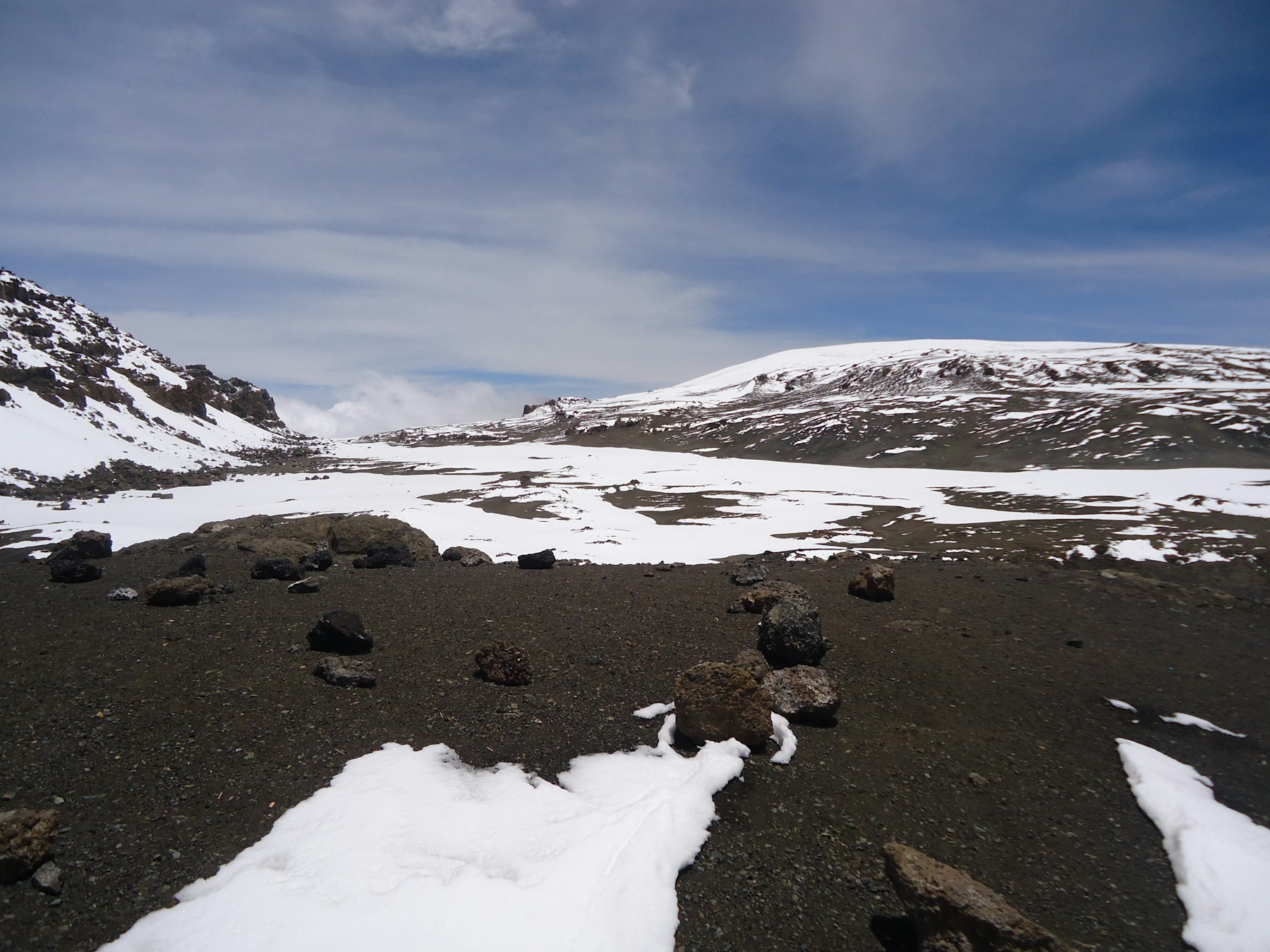
Crater Camp is not a separate approach route. It is a specialized itinerary extension that allows an overnight very high on Kibo near the crater. Sleeping above 5,700 meters is a major altitude exposure and should be treated as such. It is not a “bonus night” to add casually because a marketing photo looks dramatic.
If Crater Camp interests you, ask how the operator selects clients, what acclimatization is required before the overnight, what the evacuation plan is, and whether guides have specific experience managing high-altitude problems at that elevation.
Best Route for Acclimatization
No route guarantees acclimatization. What matters most is the rate of ascent and the altitude at which you sleep. Longer itineraries generally give more time for the body to adjust. For that reason, we would first compare an eight- or nine-day Northern Circuit and a well-structured eight-day Lemosho itinerary.
The CDC notes that taking additional time facilitates acclimatization regardless of the Kilimanjaro route and specifically recommends adding days to short itineraries. That is more useful guidance than an operator’s unsupported summit percentage.
Best Route for Scenery
Lemosho is difficult to beat for overall variety because it combines western forest, the broad Shira Plateau, southern views, Lava Tower, Barranco, and the high alpine environment. Machame shares much of the southern scenery after its own approach. Northern Circuit adds quieter and more arid northern perspectives.
Best Route for Fewer Crowds
The Northern Circuit usually provides the longest stretches away from the most heavily used southern camps. Rongai can also feel quieter during its early days. Remember, however, that routes converge near summit areas. You cannot purchase complete solitude on Kilimanjaro.
Best Route if You Hate Camping
Marangu. It is the standard route with hut sleeping. The important point is not to confuse “hut” with “easy.” The altitude is the same mountain, and short schedules remain short schedules.
Best Route for a First Kilimanjaro Climb
For a first high-altitude trek, our shortlist would usually begin with:
- Eight-day Lemosho for the balance of scenery, time, and itinerary quality.
- Northern Circuit if you have the time and want the longest standard approach.
- Seven-day Machame if schedule is tighter but you still want the southern circuit.
That is not a universal ranking. Someone who strongly prefers huts may choose Marangu. Someone climbing in a wetter period may favor Rongai. Someone with extensive recent altitude experience may reasonably select differently.
Questions to Ask Before Booking Any Route
- Exactly how many mountain days and nights are included?
- What is the sleeping elevation each night?
- Where are acclimatization hikes built into the program?
- How large is the group?
- What is the guide-to-client ratio?
- How are oxygen saturation and symptoms monitored?
- What happens if a climber cannot continue?
- Which route is used for descent?
- What camps are used and how busy are they likely to be?
- Why does the operator recommend this itinerary for your experience level?
Our Route-Choice Philosophy
We would choose the itinerary that gives us the best combination of time, responsible logistics, scenery, and enjoyment—not the one that gets us to the summit fastest. Kilimanjaro is a major trip. Saving one vacation day is rarely worth spending the entire climb wondering whether you rushed the acclimatization schedule.
Once you have narrowed the route, continue to the Altitude and Acclimatization Guide, Training Guide, and Operator Selection Guide.
Sources and Planning References
- Tanzania National Parks — Kilimanjaro National Park
- TANAPA — Visitor Guide
- TANAPA — Kilimanjaro National Park brochure and route map
- CDC Yellow Book 2026 — African Safaris and Climbing Expeditions
2027 Kilimanjaro Adventure — Northern Circuit
Ready to turn the research into a real climb? See dates, route, pricing, inclusions, and availability.
View this trip