
The Kilimanjaro Project is the living story behind Adventures With Travel. Rather than building a travel site entirely from retrospective summaries, we are documenting the process from the decision to climb through training, equipment choices, Tanzania, the mountain and the lessons that follow. The practical guides on this site explain how to plan Kilimanjaro; this section shows what the process looks like in real life.
Why Document the Preparation?
Most climbing stories begin at the trailhead. The actual journey begins months earlier. Route research affects acclimatization. Training decisions affect how the legs feel on long descents. Gear choices that seem minor at home can become important when the temperature falls. Flights, insurance, luggage, operator communication and recovery days all shape the final experience. By documenting those decisions as they happen, we can show not only what we chose but why we chose it and what we would change with hindsight.
The Planning Phase
Our planning coverage focuses on the same questions many first-time Kilimanjaro climbers face: Which route fits the amount of time available? How many mountain days make sense? What does a responsible operator look like? Which pieces of gear deserve money and which can be rented or repurposed? How should the Tanzania itinerary balance the mountain with safari and recovery?
The research that comes out of those questions feeds the site’s Complete Kilimanjaro Guide and Routes Compared pages.
The Training Phase
Training gives the project a measurable rhythm. We will track hiking volume, vertical gain, strength work, back-to-back days, pack training, recovery and the practical lessons that do not fit neatly into a generic plan. The goal is not to turn every workout into content. It is to identify what seems to produce useful adaptation and what creates unnecessary fatigue.
Our baseline program is explained in the Kilimanjaro Training Guide. As the expedition approaches, Field Notes can compare the written plan with what actually happened.
Gear We Actually Use
A gear list becomes more useful when it is connected to real use. We will test boots, layering combinations, gloves, trekking poles, daypacks, hydration systems, duffel organization and summit-night clothing during training hikes rather than treating the first day on Kilimanjaro as the test. Products that work well will be identified as such; products that do not will be discussed just as plainly.
The permanent reference point is the Complete Kilimanjaro Packing List, which can be updated after the climb with what we actually used, what stayed in the duffel and what we wish we had changed.
Arrival in Tanzania
The story continues through the international travel phase: baggage, airport arrival, transfer, hotel, guide briefing, equipment check and the emotional transition from months of planning to the realization that the climb is now real. Moshi will be documented as a climber’s base rather than merely another destination on a checklist.
The Mountain, Day by Day
On the climb, the priority is the climb—not publishing in real time. Notes, photographs and video can be organized after each stage or after the expedition so the final account is accurate and does not interfere with rest, safety or the team experience. The day-by-day journal should capture the pace, terrain, camp routine, food, weather, altitude, group dynamics and small moments that a route description cannot communicate.
Summit Night
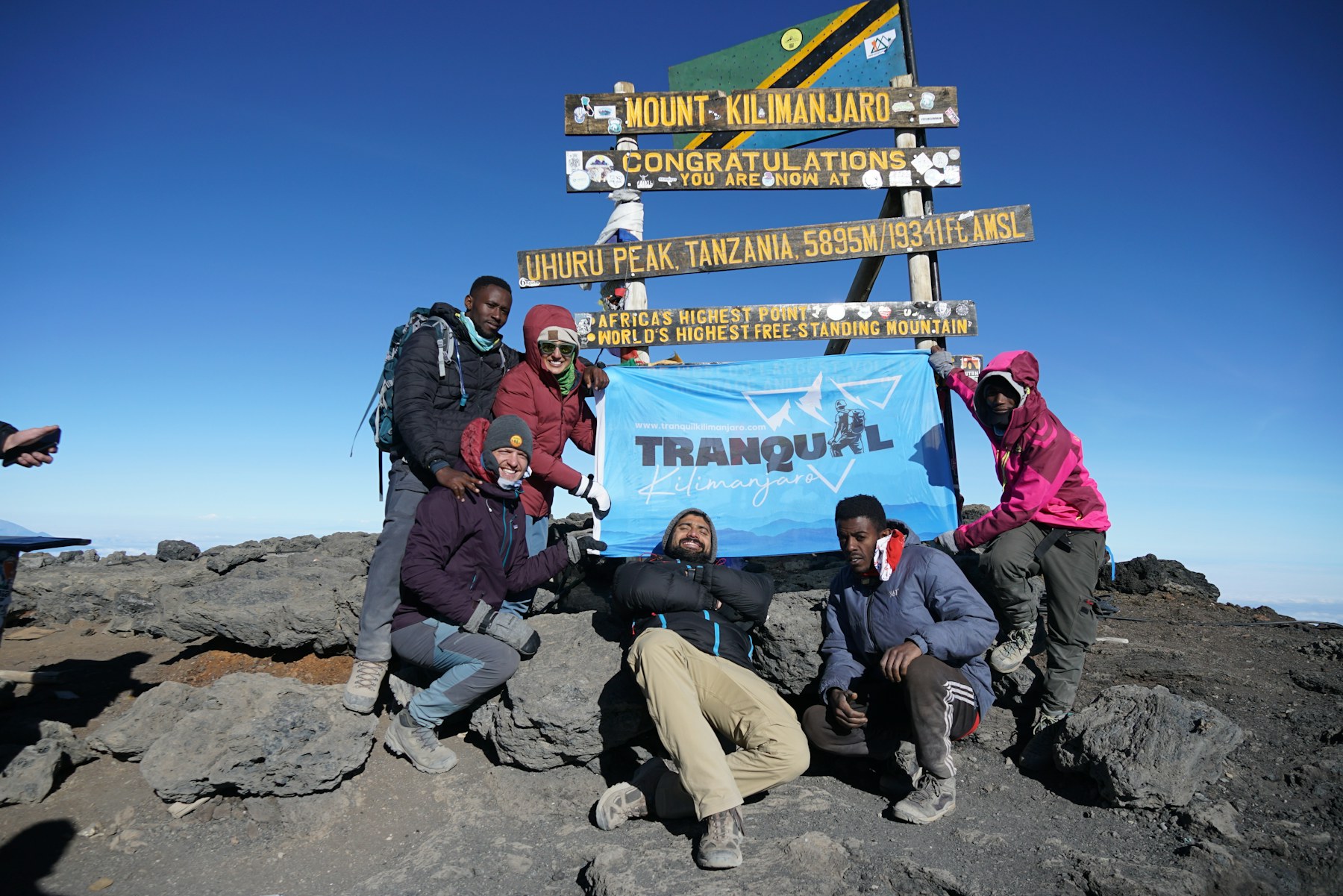
Summit night will be the central chapter, whether the outcome is a successful summit or a responsible turnaround. Adventures With Travel will not treat reaching Uhuru Peak as the only acceptable ending. High-altitude decisions should be guided by safety and the judgment of the guide team. The final story should be useful precisely because it records what really happened rather than forcing events into a predetermined success narrative.
What Comes After
The most useful review may happen weeks later. Which parts of the training mattered? What gear never left the duffel? Was the route the right choice? How well did the operator communicate? Was the safari too soon after descent? What would we spend more on, and where could we have saved money? Those answers will become permanent updates to the planning guides.
Follow the Project
New long-form articles and shorter Field Notes will appear in the Journal as the project develops. When an Adventures With Travel Kilimanjaro departure is actually offered, the full dates, route, price, inclusions and availability will appear in the Trips section. Until then, the project remains what it should be: a transparent record of preparing for one of the world’s great trekking journeys.