
The morning after Kilimanjaro, I woke up and did not know where I was.
For a few seconds, my brain expected a tent.
Then I saw the ceiling.
Hotel room. Moshi. Bed.
The mountain was over.
Breakfast Felt Almost Too Normal
Downstairs, coffee was being poured. Eggs arrived on plates. There was toast, fruit and actual chairs with backs.
Everything felt absurdly civilized.
Sarah walked in carrying one trekking pole.
“Why do you have that?” I asked.
She looked down as if noticing it for the first time. “Apparently I am emotionally attached.”
Marcus had already washed some clothes in his room and hung them over every available surface. David was examining photographs. Elena was trying to convince everyone to go on safari immediately because, in her words, “sitting in a vehicle is now an athletic recovery strategy.”
Our boots sat in a dirty cluster near the entrance like artifacts from another life.
How Was Kilimanjaro?
Eventually someone asked the question we would all hear when we got home.
“So, how was it?”
I tried to answer.
Amazing.
Hard.
Beautiful.
Cold.
Emotional.
Exhausting.
All true. None sufficient.
The problem was that Kilimanjaro had not been one experience. It was dozens layered together.
The rainforest at Lemosho.
Shira Plateau.
The first altitude headache.
Soup at Lava Tower.
Wind at Buffalo Camp.
The quiet at Third Cave.
The anxiety of Kibo.
A frozen energy chew in the dark.
Sunrise near Gilman’s Point.
The Uhuru sign.
Mud on the descent.
A shower in Moshi.
The Mountain Was Made of People
Before the trip, I thought mostly about the summit. Afterward, when I closed my eyes, I saw people.
Guides checking how we felt.
Porters arriving at camp before us.
The cook making hot food in places where I could barely imagine boiling water.
Ben fixing a boot lace.
Elena handing out ginger chews.
Sarah swapping headlamp batteries with cold fingers.
David standing quietly at Uhuru Peak.
Marcus making jokes that got worse with altitude.
The mountain was enormous.
The experience was human.
Success Looks Different Now
Before the climb, success had a simple definition: reach Uhuru Peak.
After the mountain, that felt incomplete.
Reaching the summit was extraordinary, but continuing when it is unsafe is not courage. Anyone who listens to the guide team and turns around when health demands it has made the right decision.
The mountain taught me that ambition and judgment have to exist together.
Want the summit.
Respect the mountain more.
Looking Up From Moshi
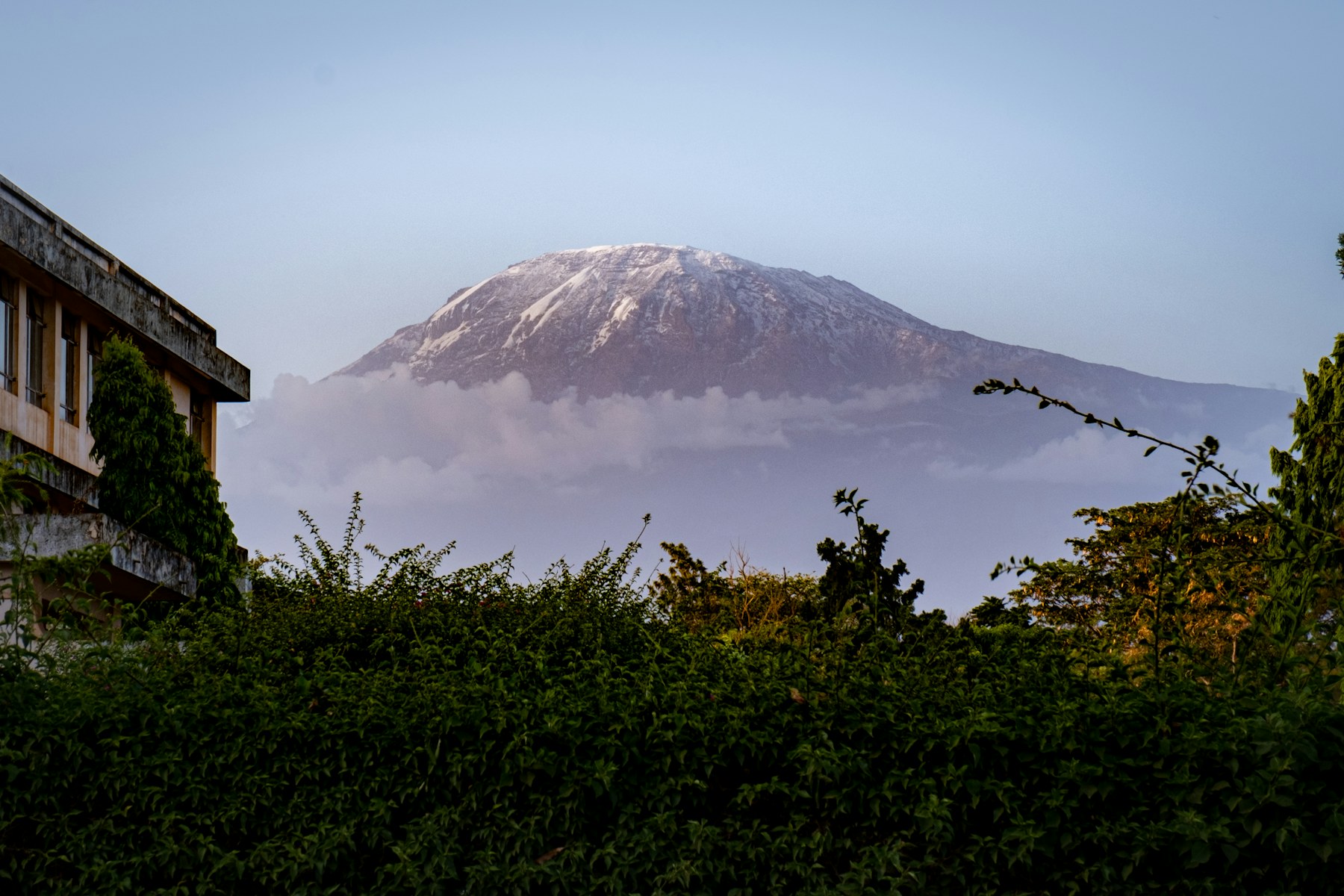
Later that morning, Kilimanjaro appeared through the clouds.
The same mountain I had stared at before the climb.
Except it was not the same anymore.
I could look at it and attach memories to geography. Somewhere up there was Shira. Beyond what I could see was the quiet northern side. Kibo. The crater rim. Uhuru.
The mountain held pieces of us now.
I expected to feel finished.
Instead, I felt something else.
I wanted another adventure.
Not another Kilimanjaro tomorrow. My knees were very clear on that point.
But another place that looks impossible until you start moving toward it.
That may be the most important thing I brought home.
Kilimanjaro did not make difficult things easy.
It changed the scale of what felt possible.
A huge challenge does not have to be solved all at once. It can be broken into camps, days, meals, water breaks, conversations and steps.
Sometimes the only thing you need to do is move slowly enough to take the next one.
Pole pole.
I understood it now.
2027 Kilimanjaro Adventure — Northern Circuit
Ready to turn the research into a real climb? See dates, route, pricing, inclusions, and availability.
View this trip