
I thought I understood “pole pole” before coming to Kilimanjaro. Somewhere between Buffalo Camp and Third Cave, it finally made sense.
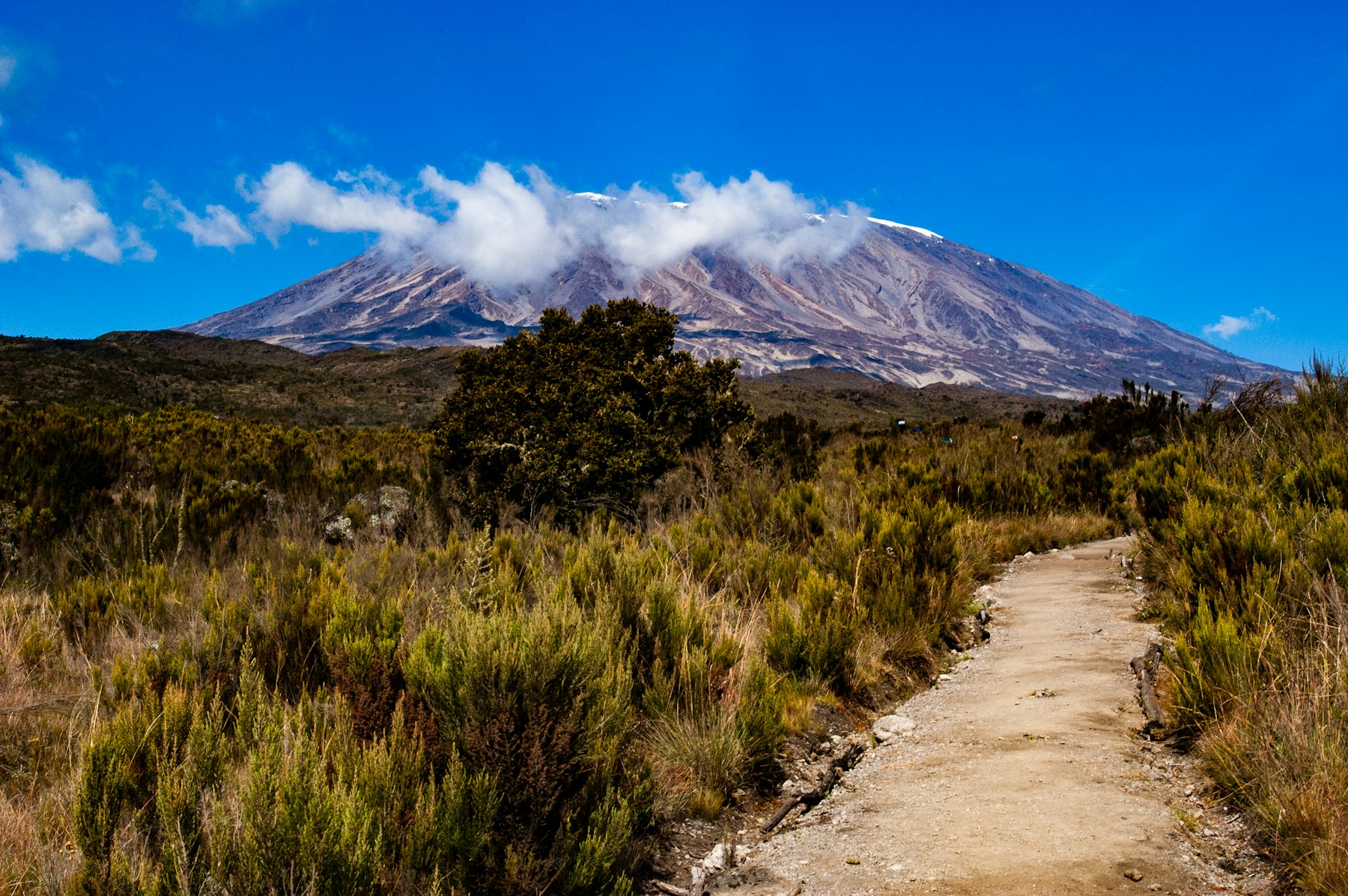
I understood the translation: slowly, slowly. I understood the logic: conserve energy, allow time to acclimatize, do not race uphill. What I had not understood was how deeply the idea would work its way into everything we did.
We were not walking slowly because we were weak.
We were walking slowly because we wanted to keep walking tomorrow.
A Short Day That Did Not Feel Small
The itinerary from Buffalo Camp to Third Cave was one of the shorter mountain days, roughly 3.7 miles and three to four hours. At home I might barely count that as a full hiking day.
At altitude, distance changes character.
A mile is not a mile. A hill is not a hill. Standing up quickly inside a tent can remind you to breathe.
We climbed Buffalo Ridge, descended and continued east along Kilimanjaro’s northern slope. Mawenzi appeared through the clouds in sharp, improbable angles.
Elena stopped once and said, “That mountain looks fake.”
Marcus nodded. “If it were in a movie, I would complain the CGI was excessive.”
The Boot-Lace Failure
About halfway through the morning, David’s boot lace snapped near the top hook. This was the sort of small gear failure that would be mildly irritating at home and potentially miserable on a long expedition.
Ben produced a spare lace from the bottom of his pack.
Of course he did.
“Do you carry a backup tent too?” Sarah asked.
“Only emotionally,” he said.
We replaced the lace, checked the other boot and kept moving. The incident took less than ten minutes, but it reinforced something our training lists had tried to teach us: little redundancies matter.
Food, Hydration and the Art of Doing Nothing
We reached Third Cave early enough to spend much of the afternoon resting. At first I felt almost guilty. We had come all this way to climb a mountain, and now the plan was to sit around.
Then I realized rest was part of climbing.
We ate lunch, drank tea, refilled bottles and tried to stay warm. A bowl of soup disappeared quickly, followed by pasta and vegetables later at dinner. Some people were eating normally; others had to work at it.
Marcus took one bite of a protein bar and stared at it.
“I loved these at home,” he said.
“You have changed,” Elena replied solemnly.
Altitude does strange things to appetite. The food you carefully selected months earlier may suddenly feel like cardboard. Warm, simple camp food becomes much more appealing.
The Anxiety of Tomorrow
Tomorrow we would cross the Saddle toward Kibo Hut at approximately 15,510 feet.
Then summit night.
The phrase had weight now.
I began imagining everything that could happen: not sleeping, not eating, getting too cold, feeling sick, struggling above 18,000 feet.
My mind was trying to climb the summit before my body had even reached Kibo.
So I brought it back.
Third Cave.
Drink.
Eat.
Rest.
Tomorrow can arrive by itself.
What Pole Pole Means to Me Now
That afternoon Joseph asked how I felt.
“Good,” I said, then paused and actually checked.
Good. Not pretending. No significant headache. Appetite okay. Tired, but functional.
I was grateful for every deliberately slow mile that had brought us here.
At home, speed is rewarded. Answer faster. Work faster. Travel faster. Get results faster.
Kilimanjaro had thrown that entire idea away.
Fast was not useful here.
Steady was useful.
Patient was useful.
Honest was useful.
Pole pole had become more than hiking advice. It was permission to let the experience unfold at the speed it required.
Kibo would arrive.
Midnight would arrive.
Uhuru Peak would either arrive or it would not.
All I could do was take the next step well.
That lesson felt much bigger than a mountain.
2027 Kilimanjaro Adventure — Northern Circuit
Ready to turn the research into a real climb? See dates, route, pricing, inclusions, and availability.
View this trip