
Today I understood why the Northern Circuit appealed to us: silence.
Not absolute silence. There was wind, boots on dirt, poles against rock, voices from our group and the movement of the mountain crew. But for long stretches what was missing mattered most.
Crowds.
Kilimanjaro felt enormous and almost private.
A Different Side of Kibo
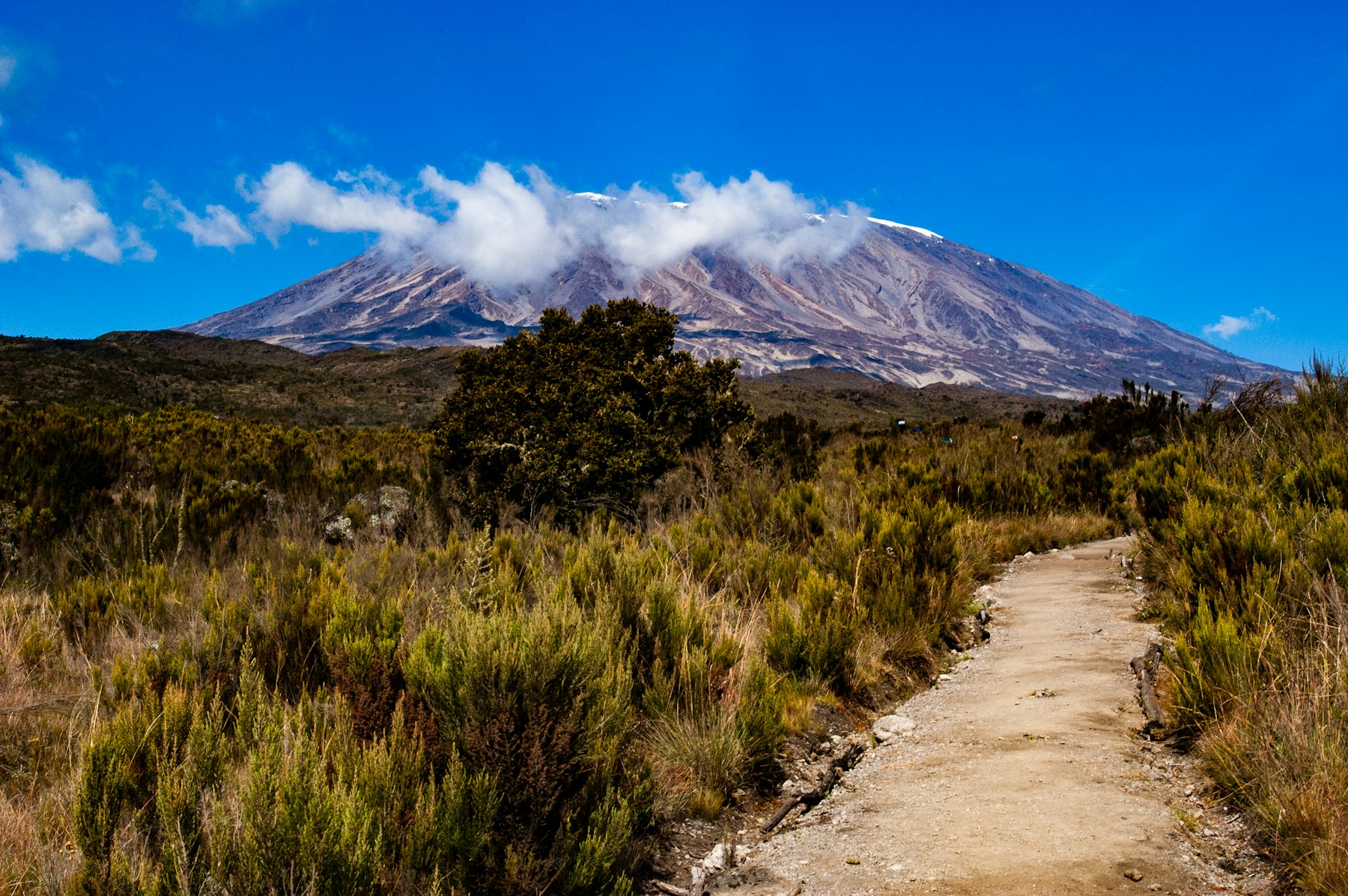
We left Moir Hut and climbed out of the valley toward the northern slopes of Kibo. The mountain dominated everything. Sometimes I looked up. Sometimes I deliberately did not.
The summit was close enough now to look intimidating. It no longer resembled a travel poster. It looked cold, steep and serious.
So I concentrated on the few yards of trail in front of me.
Sarah walked beside me for a while without either of us saying much. Eventually she said, “I thought the quiet would make me think more.”
“And?”
“I think less. I just walk.”
I knew exactly what she meant.
The Backpack Zipper Incident
At one stop Marcus discovered that the zipper on the small hip-belt pocket of his pack had jammed around the wrapper of an energy bar. The bar was trapped inside, visible but inaccessible.
He spent several minutes working on it while the rest of us offered extremely unhelpful suggestions.
“Cut the pack open,” David said.
“Abandon the expedition,” Elena added.
Ben finally fixed it with the tiny pliers on his multitool.
Marcus held up the crushed bar. “Worth it.”
The moment was stupid and perfect. At altitude, small problems become camp entertainment.
Food Tastes Different Up Here
Lunch was simple and warm. I remember potatoes, vegetables and fruit, but more than the menu I remember how much I wanted salt. Elena’s crackers disappeared fast.
By afternoon, every snack had developed a reputation. The gummy candies were morale food. Nuts were practical. Ginger chews were altitude superstition. Chocolate had to be protected from becoming a frozen brick.
We had become amateur scientists studying what we were still willing to eat at 13,000 feet.
Buffalo Camp
The route rolled across the northern slopes through a series of climbs and descents. Normally I get irritated when a trail gives away elevation. Today I stopped caring.
Up. Down. Around.
The mountain would do what it did. My job was to keep moving steadily.
Buffalo Camp arrived at exactly the point when I was mentally done walking. I dropped the daypack and immediately felt ten pounds lighter.
The wind was stronger than it had been at lower camps, and everyone became meticulous about securing gear. A loose stuff sack skittered across camp and Ben sprinted after it, which was probably the fastest anyone in our group moved all week.
Joseph watched him retrieve it and shook his head. “Pole pole, except when the mountain steals your bag.”
The People Behind the Climb
I thought about the crew more today than I had before. They moved through the same landscape carrying loads that made our daypacks look ridiculous, then arrived and built the temporary home we depended on.
When we reached camp, water was being organized, food prepared, tents checked. The system worked because people worked.
Nobody climbs Kilimanjaro alone.
You put one foot in front of the other yourself, but the climb is supported by a web of people—guides, cooks, porters, teammates and everyone who notices when somebody is quieter than usual.
That evening soup arrived hot. So did tea. We ate rice, vegetables and chicken and laughed about Ben’s high-altitude sprint.
Later, zipped into my sleeping bag while wind moved across Buffalo Camp, I realized I had come to Kilimanjaro thinking almost exclusively about whether I could reach Uhuru Peak.
On the quiet northern side, I started understanding that the summit would not be the only thing I remembered.
I would remember this silence.
And the people who shared it.
2027 Kilimanjaro Adventure — Northern Circuit
Ready to turn the research into a real climb? See dates, route, pricing, inclusions, and availability.
View this trip