
A Kilimanjaro trip is also a journey to Tanzania, and the best itineraries give the country room to be more than the place where the mountain happens to stand. Northern Tanzania makes it possible to combine the climb with time in Moshi, a safari through exceptional wildlife areas and, if your schedule allows, a longer recovery extension elsewhere in the country.
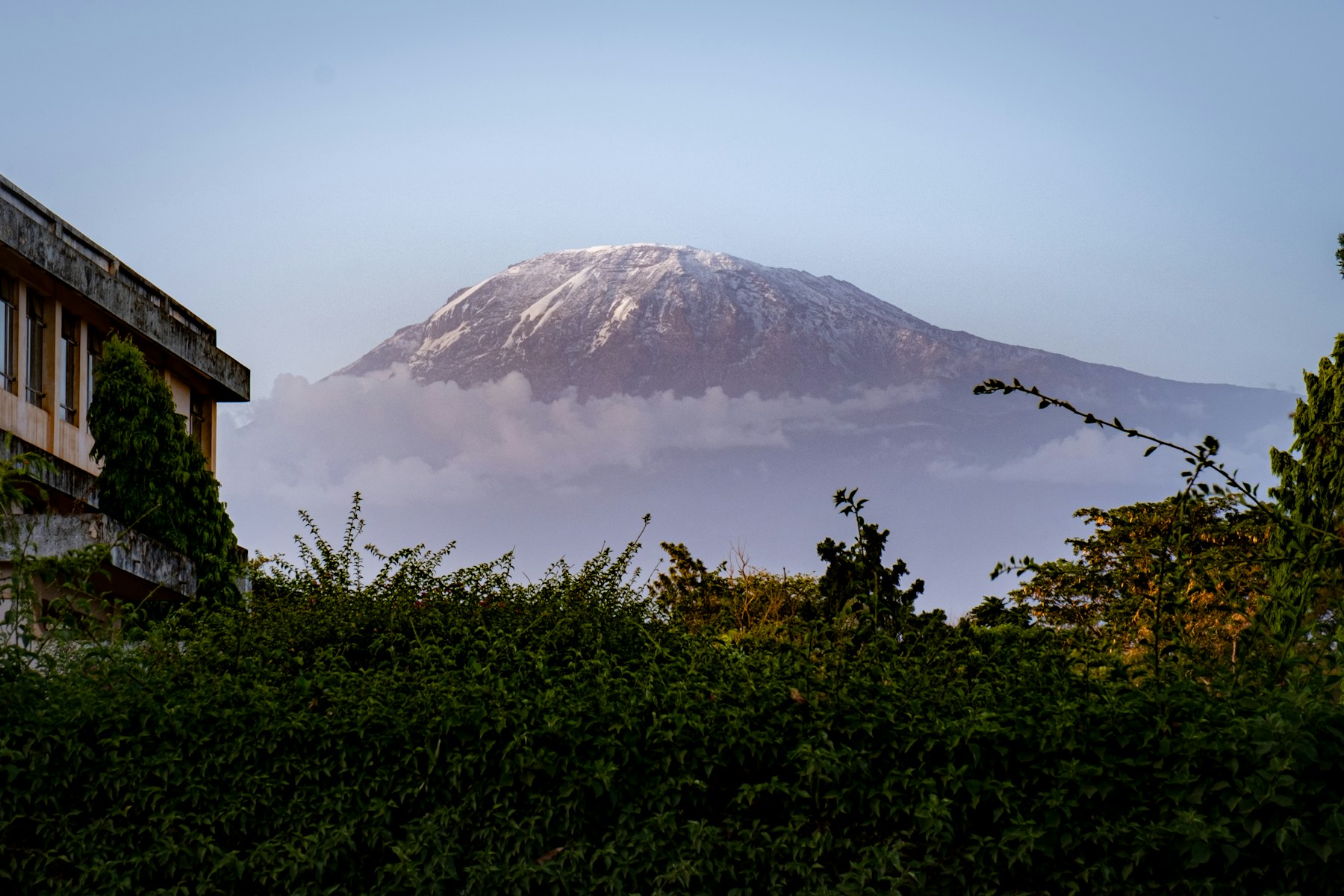
Arriving for Kilimanjaro
Kilimanjaro International Airport, commonly referred to by its JRO airport code, is the most convenient international gateway for many climbers. Moshi and Arusha are the principal cities used before and after northern Tanzania mountain and safari itineraries. Your operator should provide precise transfer instructions, especially if your international flight arrives late in the evening.
Do not plan an unnecessarily tight arrival. A buffer before the climb gives you time for a gear check, luggage recovery if an airline delays a bag, rest after international travel and any final operator briefing. Keep your boots, critical medications and other difficult-to-replace essentials in carry-on baggage when airline rules permit.
Moshi: The Kilimanjaro Base
Moshi sits close to the mountain and is a natural base for many expeditions. It is where climbers can recover from flights, meet guides, organize equipment and transition into the trek. After the climb, a comfortable hotel, hot shower, laundry and an unhurried meal can feel as memorable as a formal sightseeing program.
Our Moshi Before & After Kilimanjaro guide focuses specifically on how climbers can use the town rather than treating it as a generic city-break destination.
Safari After the Mountain
Northern Tanzania’s safari circuit fits naturally after Kilimanjaro. Tarangire, the Ngorongoro area and Serengeti can be combined in itineraries ranging from a short two- or three-day introduction to a week or more. The right length depends on your budget, wildlife priorities, travel season and how much road time you are comfortable with.
Going after the climb has several advantages. It turns the safari into a recovery phase, eliminates the worry that a safari delay could interfere with your mountain start, and gives the trip a satisfying shift from physical challenge to observation. The downside is that some climbers are tired enough after Kilimanjaro to appreciate a recovery night before immediately starting a long driving day.
See Safari After Kilimanjaro for sample 2-, 3-, 5- and 7-day structures.
Tarangire
Tarangire National Park is often incorporated into shorter northern-circuit safaris because it can fit efficiently into an itinerary from the Arusha/Moshi region. It is known for broad landscapes, baobab trees and significant wildlife concentrations that change with season and water availability. It can work particularly well as the first safari stop after leaving the Kilimanjaro area.
Ngorongoro
The Ngorongoro Conservation Area provides one of northern Tanzania’s most distinctive landscapes. Safari itineraries commonly include a descent into the crater, while lodging choices range from locations near the rim to properties farther away. Because access, timing and conservation-area rules can change, current operator planning is important.
Serengeti
Serengeti deserves more than a rushed box-check if it is a major reason you are traveling to Tanzania. The ecosystem is vast, and wildlife movements vary through the year. A safari planner should match the area of the park and lodging strategy to the season rather than assuming the same location is optimal every month. Adding Serengeti usually increases both driving or flight logistics and the overall trip budget, but it can transform a Kilimanjaro expedition into a broader Tanzania journey.
Zanzibar and Longer Extensions
Some travelers want complete contrast after the mountain: warm weather, coast, culture and very little hiking. Zanzibar can provide that change of pace, though it requires additional flights and days. It makes most sense when the overall trip is long enough that the island does not force you to compress the mountain or safari portions.
Entry, Health and Insurance
Travel requirements can change. Verify passport, visa, vaccination, health and insurance requirements from official sources and your qualified medical/travel advisers rather than relying on an old blog post. Tanzania’s immigration authorities publish current visa and entry information, and your climbing operator should confirm any trip-specific requirements well before departure.
Build the Trip in the Right Order
Start with the mountain dates because that is the least flexible component. Add one or more arrival nights, then decide how much recovery time you want after the descent. Only then add safari and optional coastal extensions. Protecting the core Kilimanjaro itinerary from unnecessary schedule pressure will usually produce a better Tanzania trip than trying to fit every famous destination into the smallest possible number of days.